The complete microplastics guide
Start here: microplastics in water, food, pregnancy, and home
Over 100 evidence-based guides organized by where microplastics actually show up in daily life, and the swaps that account for most of the reduction. No fear-mongering. Every article cites peer-reviewed research.
Start here
If you read 6 things, read these
The highest-leverage starting points across the whole site.
6 guides
Water
Bottled water averages ~240,000 plastic particles per liter (PNAS 2024). Filtered tap in glass or stainless is the lowest-microplastic everyday option for most households.
7 guides
Food
The biggest food-side risk is the package, the heat history, and the reuse, not the food itself. Glass-jarred wins almost every category comparison.
6 guides
Pregnancy & Kids
Microplastics have been detected in 100% of placentas tested (UNM 2024). The reduction window before and during pregnancy is the highest-leverage time to lower exposure.
7 guides
Health Effects
Microplastics have been found in human blood, placenta, lung tissue, breast milk, and arterial plaque. The 2024 NEJM study linked plaque microplastics to 4.53× higher cardiovascular risk.
5 guides
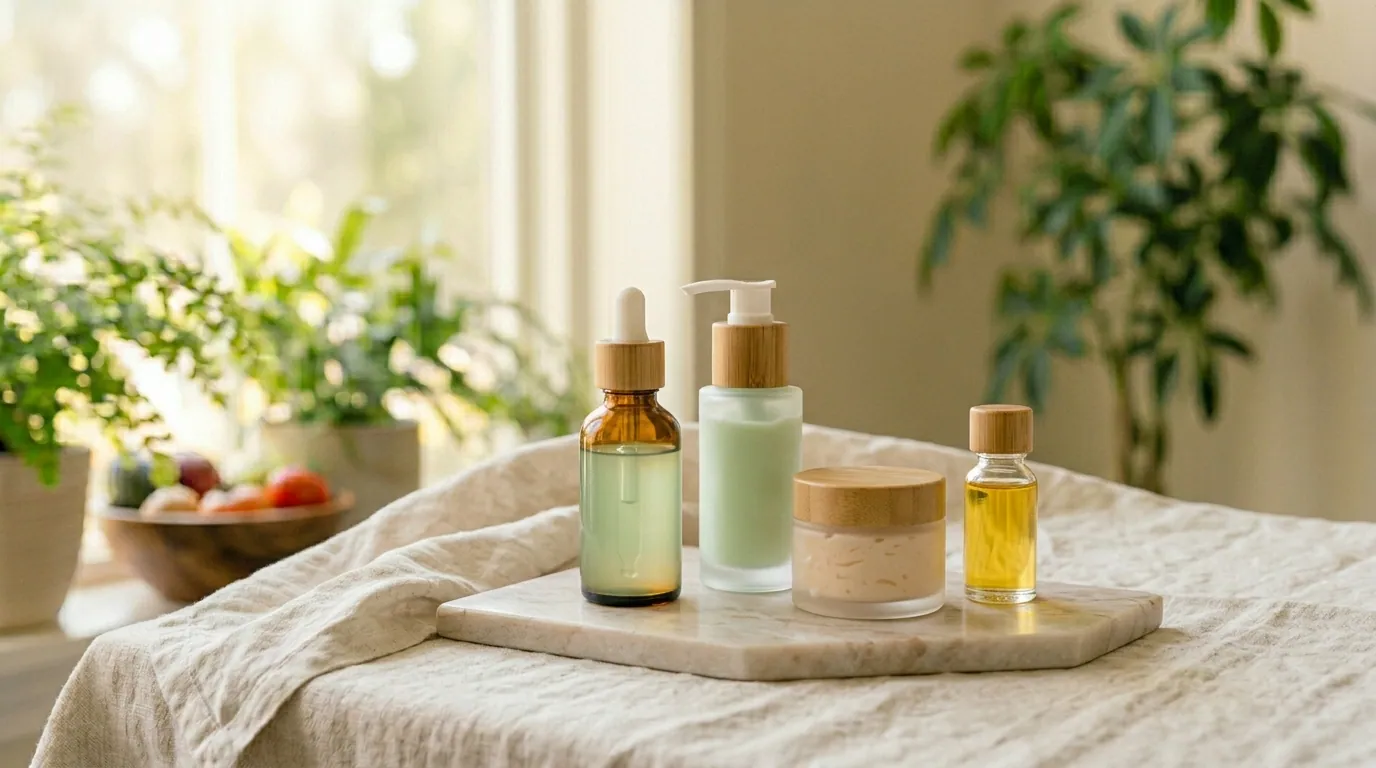
Cosmetics & Personal Care
EU restricted intentionally added microplastics in cosmetics from October 2023. US still allows liquid polymers in leave-on products. Ingredient names to flag and clean-brand picks.
6 guides
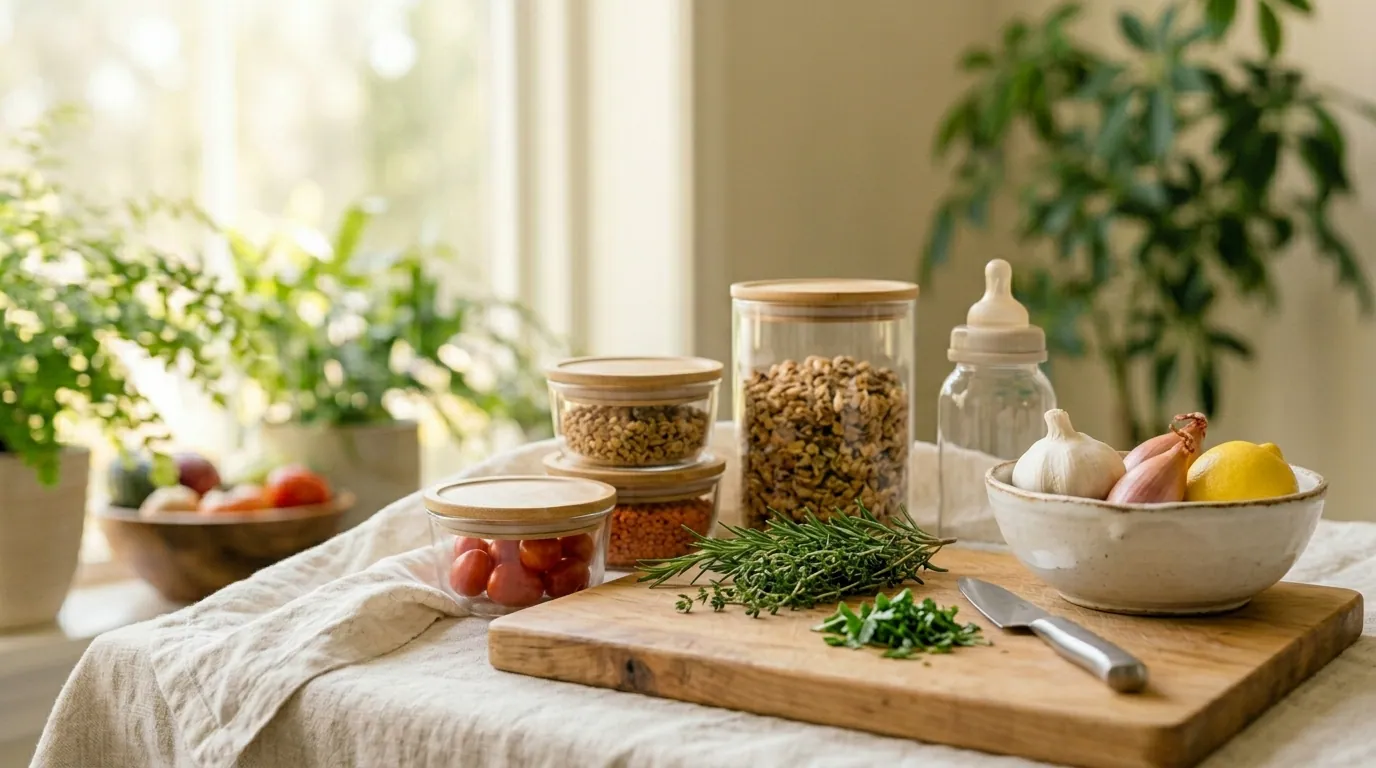
Kitchen & Home
Microwaving plastic releases up to 4.22M microplastic particles per cm² in 3 minutes (2023). Plastic cutting boards shed up to 50g per person per year. Kitchen swaps deliver the biggest exposure reduction.
4 guides
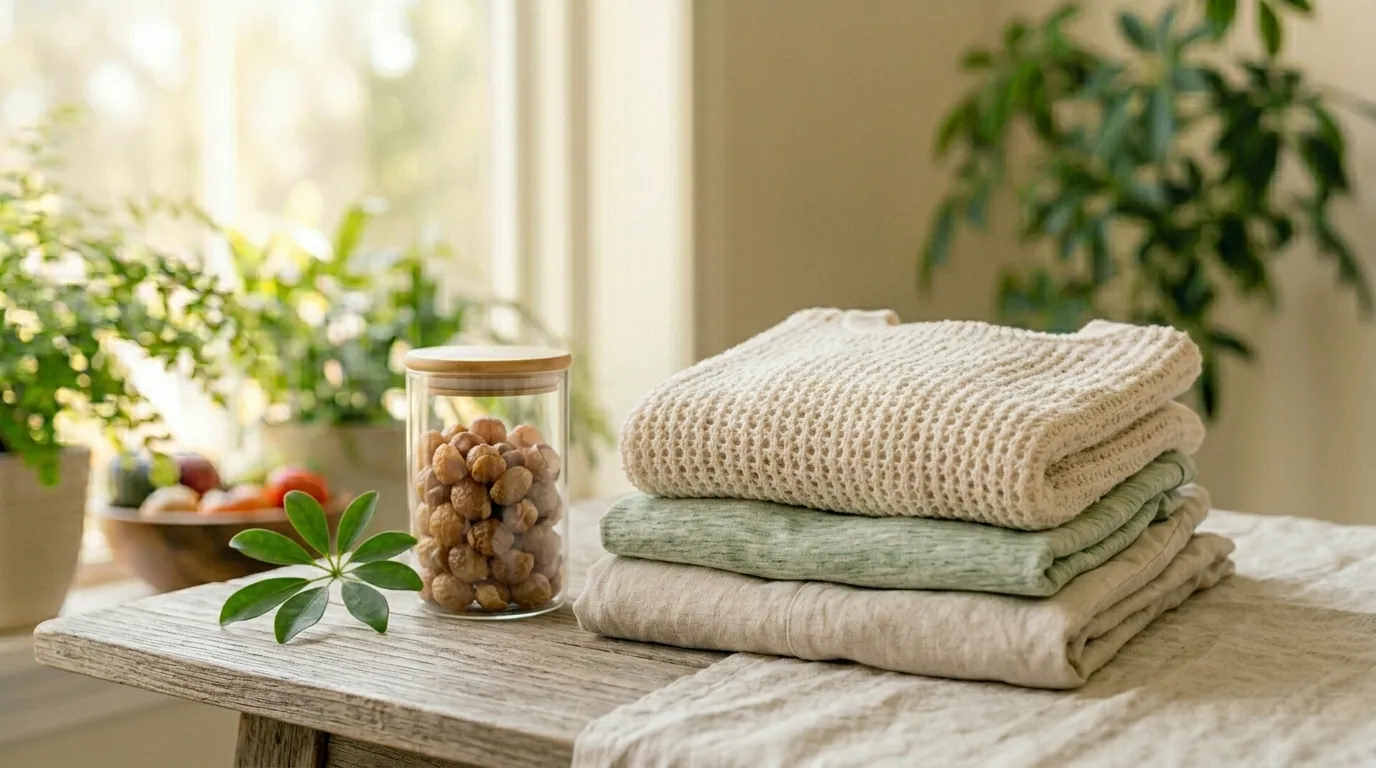
Clothing & Laundry
Polyester clothing sheds microfibres with every wear and every wash. Indoor air has 3-15× more microplastics than outdoor air, and synthetic fabric is a major source.
Go deeper
Three hubs for specific intents
Reading the guide is step one. Scanning your products is step two.
The app turns the research in these guides into a 5-second decision at the shelf. Start with 3 free scans.
Download on the App StoreFree · 3 scans included · No credit card