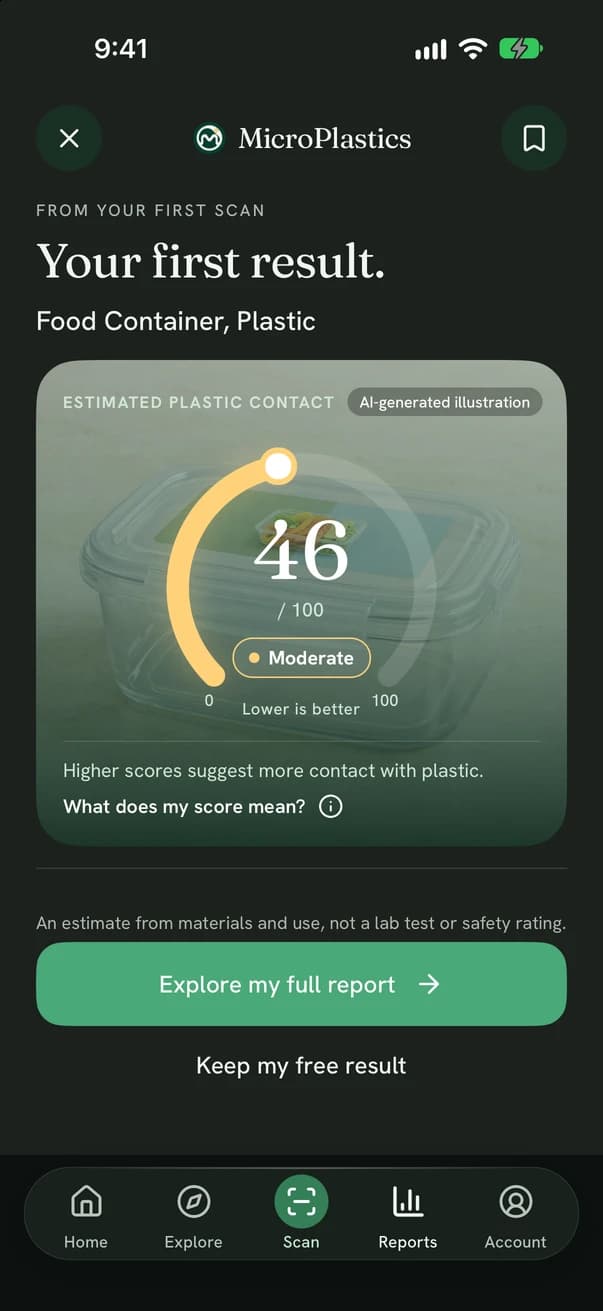
The microplastics appEveryday plastic, made visible.
For your kitchen.
For your family.
Explore ingredient names, packaging materials and linked research for food, water and cosmetics.


Scans organize information and modeled assessments. They do not measure particles, personal exposure or health risk.
132
Product profiles
70
Source references
387
Research guides
iOS + Android
Free to download
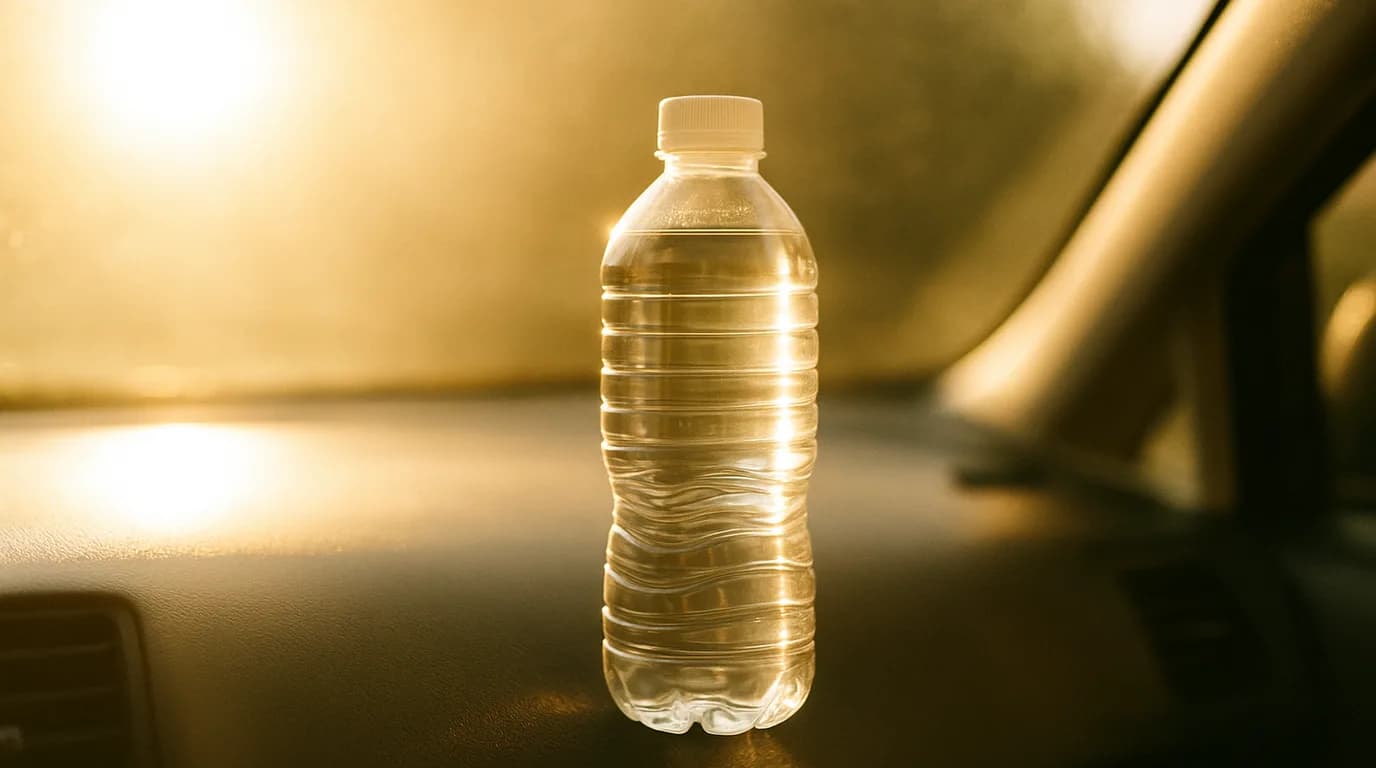
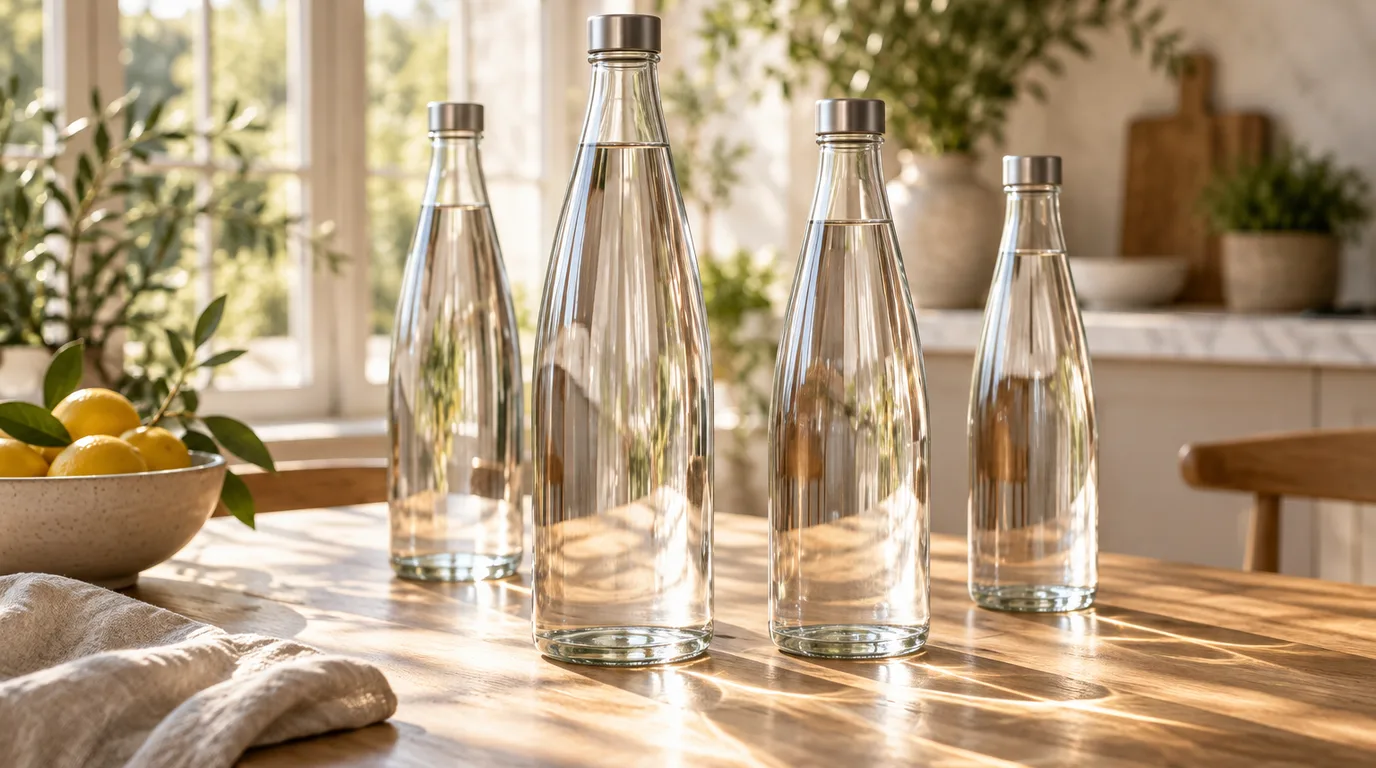
One study counted about 240,000 plastic particles in a liter of bottled water.
Source: Qian et al., PNAS, 2024. Three brands tested; one result does not describe every bottle.
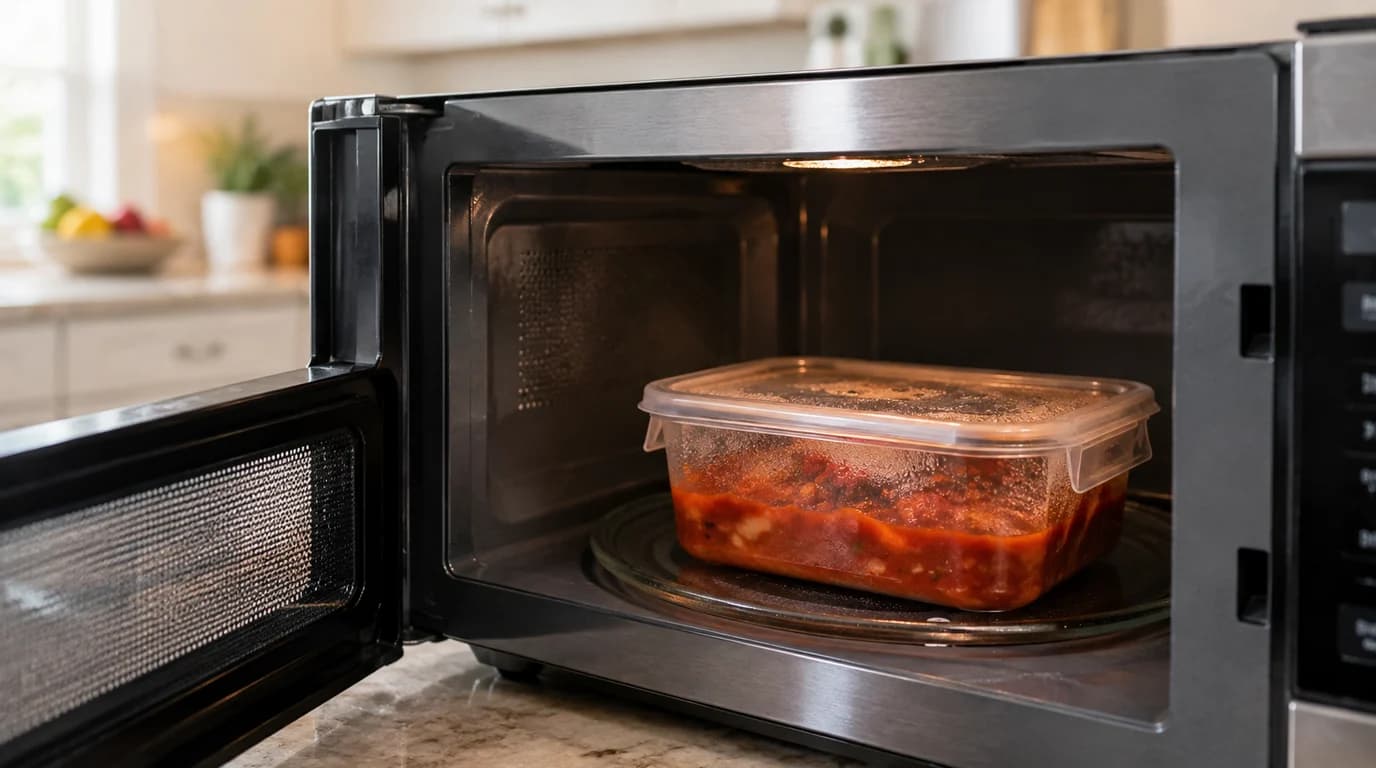
Plastic wears down where you can't see it.
Heat, scratches, washing and time are the conditions researchers study when they measure particle release from everyday containers and bottles.
What is your kitchen really made of?
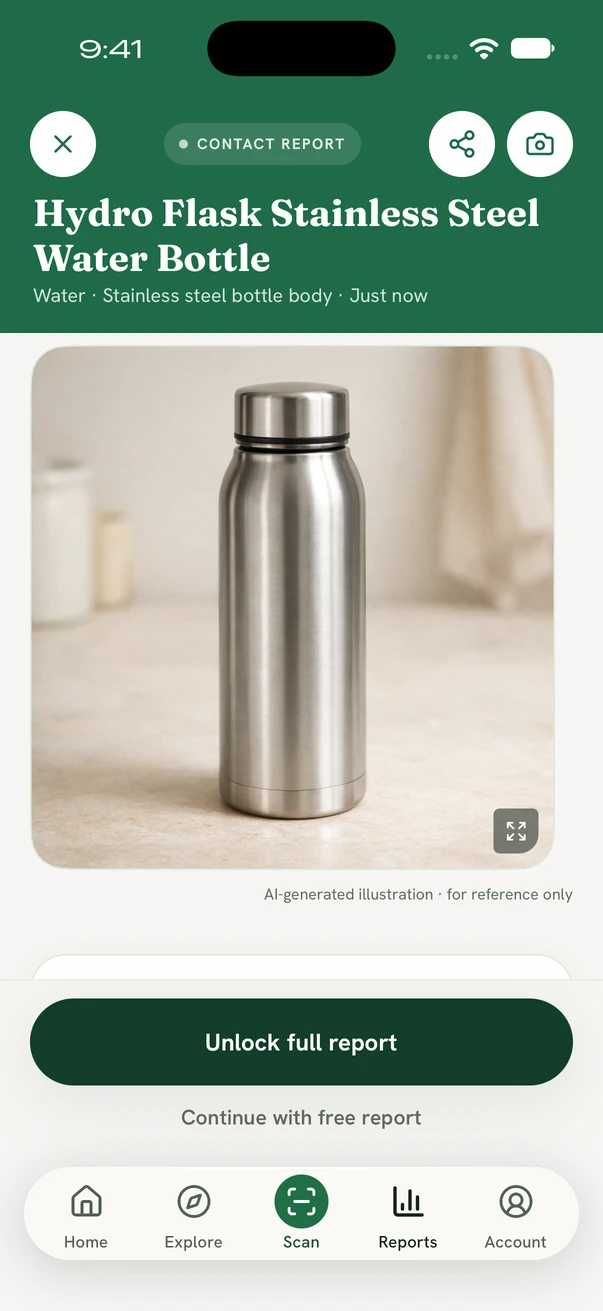
Meet MicroPlastics. Point your camera at a label, barcode or material marking and see the ingredients, packaging and sources behind the product in front of you.
- 01
Identify
Use a camera, barcode or photo to identify the product. Check the exact model, shade or package against the information returned.
- 02
Review
Read the ingredient or material information and its sources. A modeled assessment does not measure particles, bodily dose or health risk.
- 03
Save
Save the assessment so you can revisit the product and its use conditions. A collection of scans is a research log, not a personal exposure measurement.
- 04
Compare
Compare the information for a candidate alternative and the preference you want it to meet. Follow the applicable product care instructions.
Meet MicroPlastics
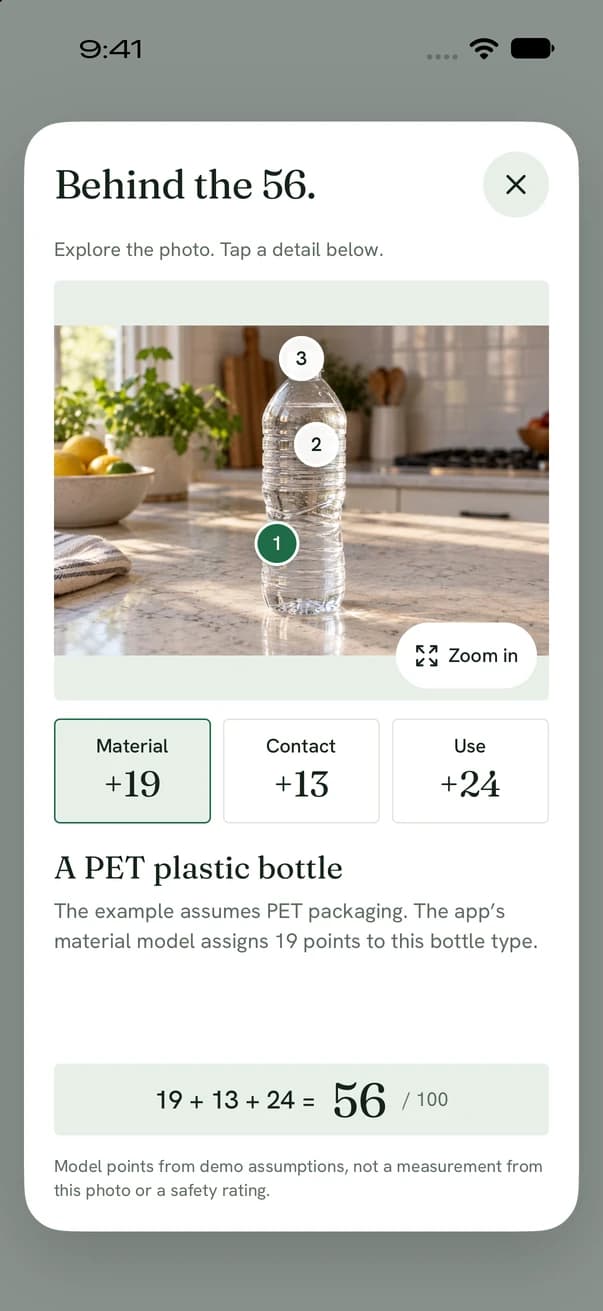
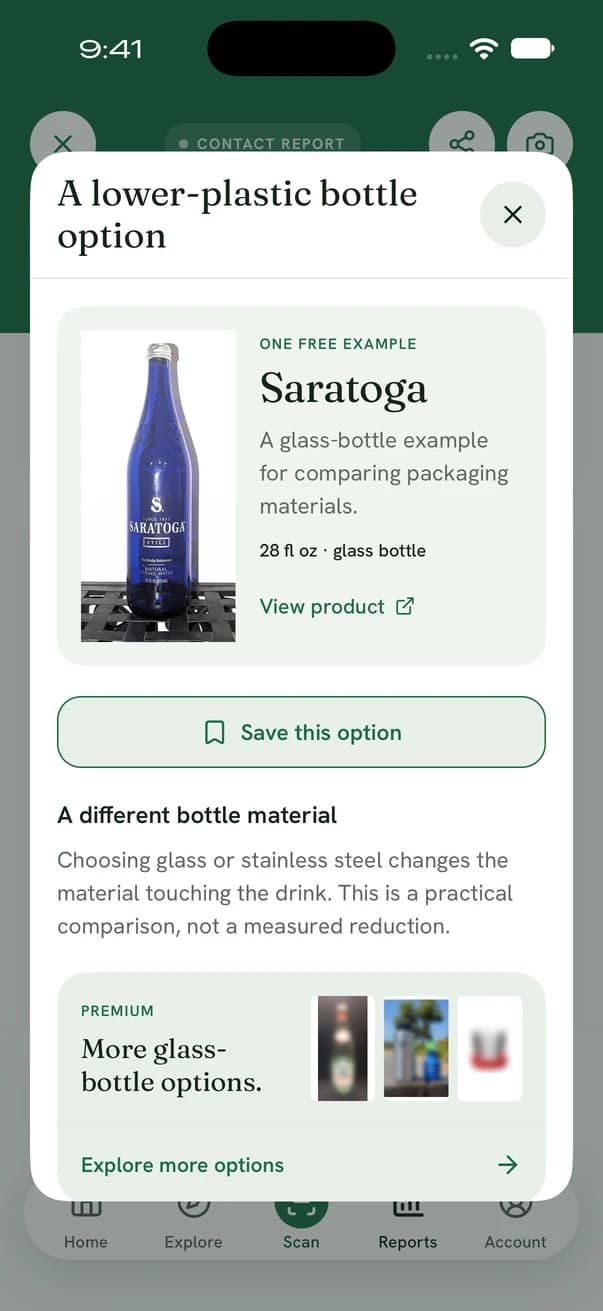
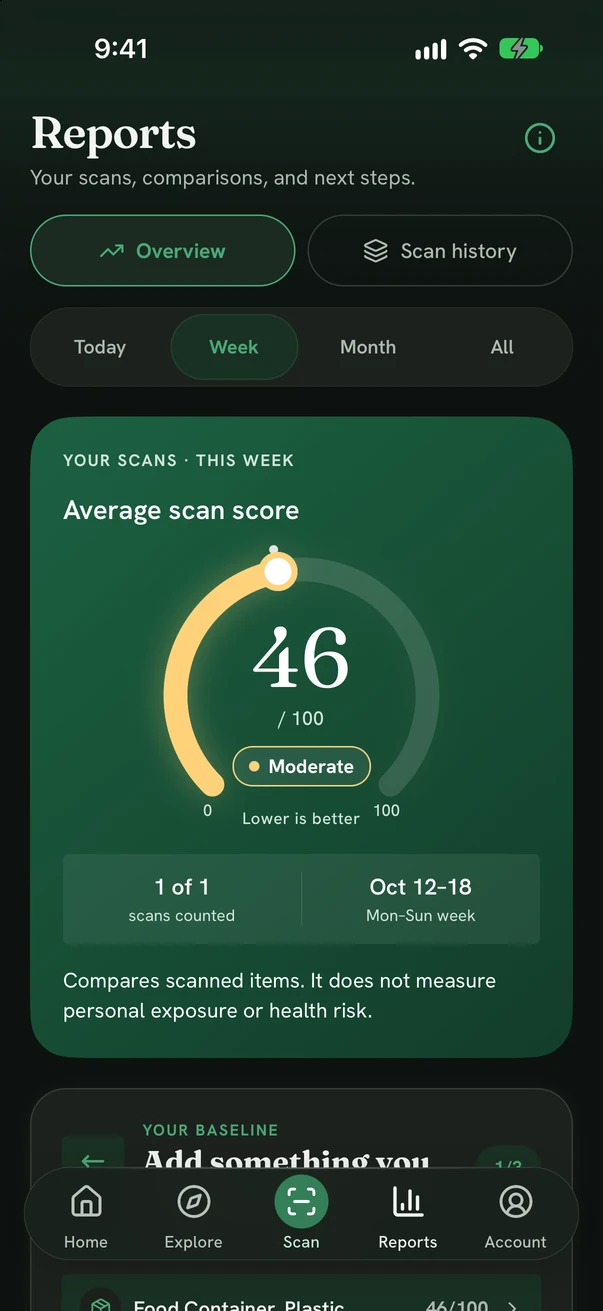
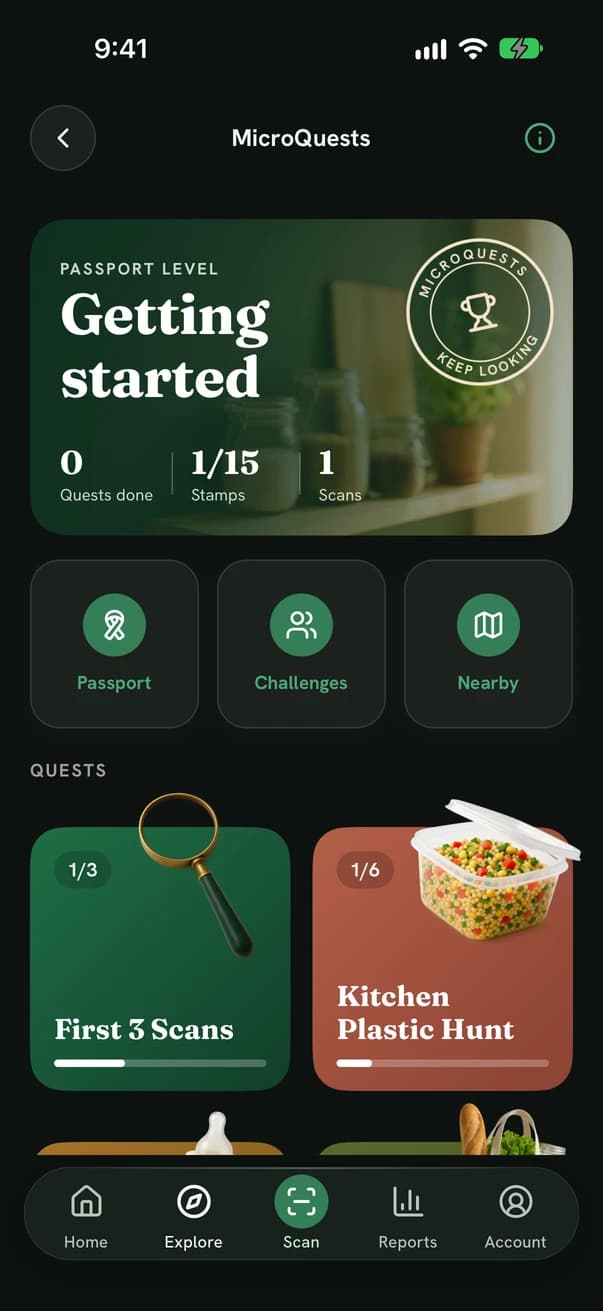
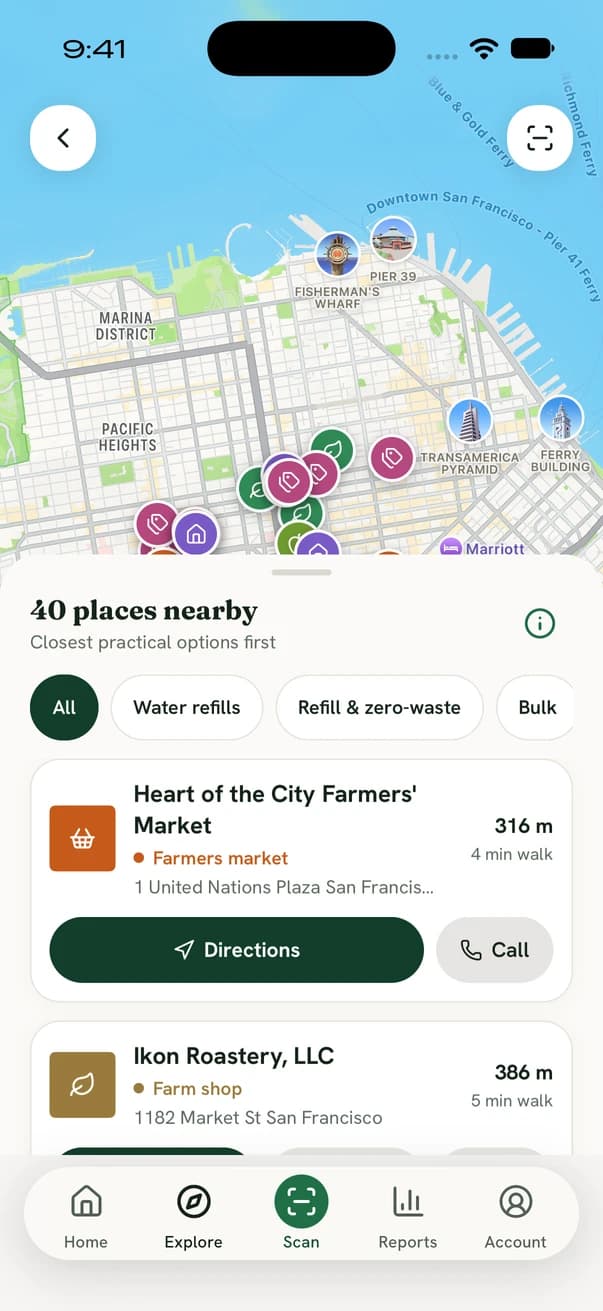
Real screens, example account data. Scores are modeled assessments, not particle measurements.
- See what a product is made of. Photograph a label, barcode or material marking. The report lists the packaging and the contact conditions behind its modeled score.
- No black box. Every score breaks down into its parts, so you can see which input moved it and check the sources yourself.
- Find a lower-plastic swap. Compare options for the same need, side by side, before your next purchase.
- Your week in one place. Reports gather the products you checked this week, with their scores and a comparison over time.
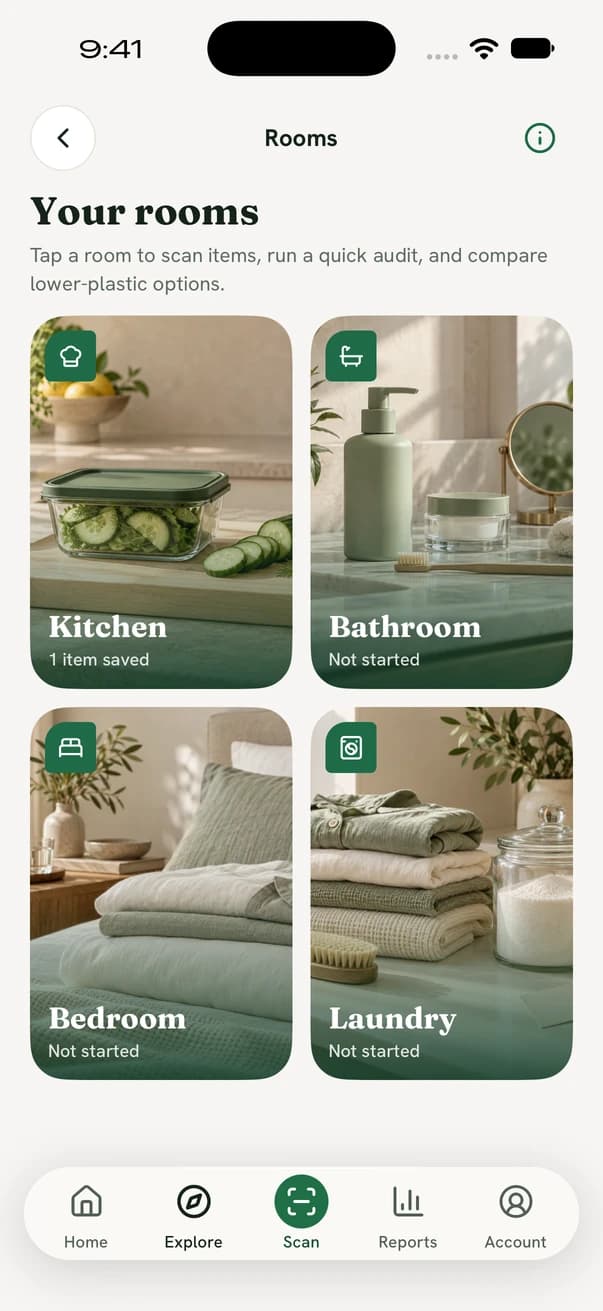
- Small quests, steady habits. Guided quests walk you through the kitchen, bathroom and laundry, one product at a time.
- Refill spots near you. Find water refill stations and refill or zero-waste stores on a map.
Built in the open.
- Editorial product profiles
- 132
- Editorial product profiles
- Source references in the web catalog
- 70
- Source references in the web catalog
- Research guides, each with a review date
- 387
- Research guides, each with a review date
- Modeled score. Lower is better.*
- 0–100
- Modeled score. Lower is better.*
- Free scans to start
- 3
- Free scans to start
*Scores are modeled assessments built from declared materials and published studies. They are not particle counts, dose or health risk.
Evidence and limits
Understand the evidence behind a product assessment.
Published measurements
Studies test specific samples and conditions.
A result depends on the sample, measurement method and particle sizes counted. The FDA identifies gaps in standardized methods and quality controls. A finding for one sample does not establish a result for every brand or product.
Read the FDA overviewModeled assessments
A model summarizes assigned inputs.
Our web catalog uses an editorial model to organize product information. Its 0–100 labels are not measured particle counts, bodily dose or health risk. The methodology explains the inputs, missing information and limits.
Read our methodologyYour product question
Check the details that matter to your choice.
Start with the exact model, full ingredient list or disclosed material. Review the source and applicable care instructions before comparing an alternative. Material names alone do not establish particle release or a health benefit.
Review an ingredient list
Tools for a lower-plastic home.
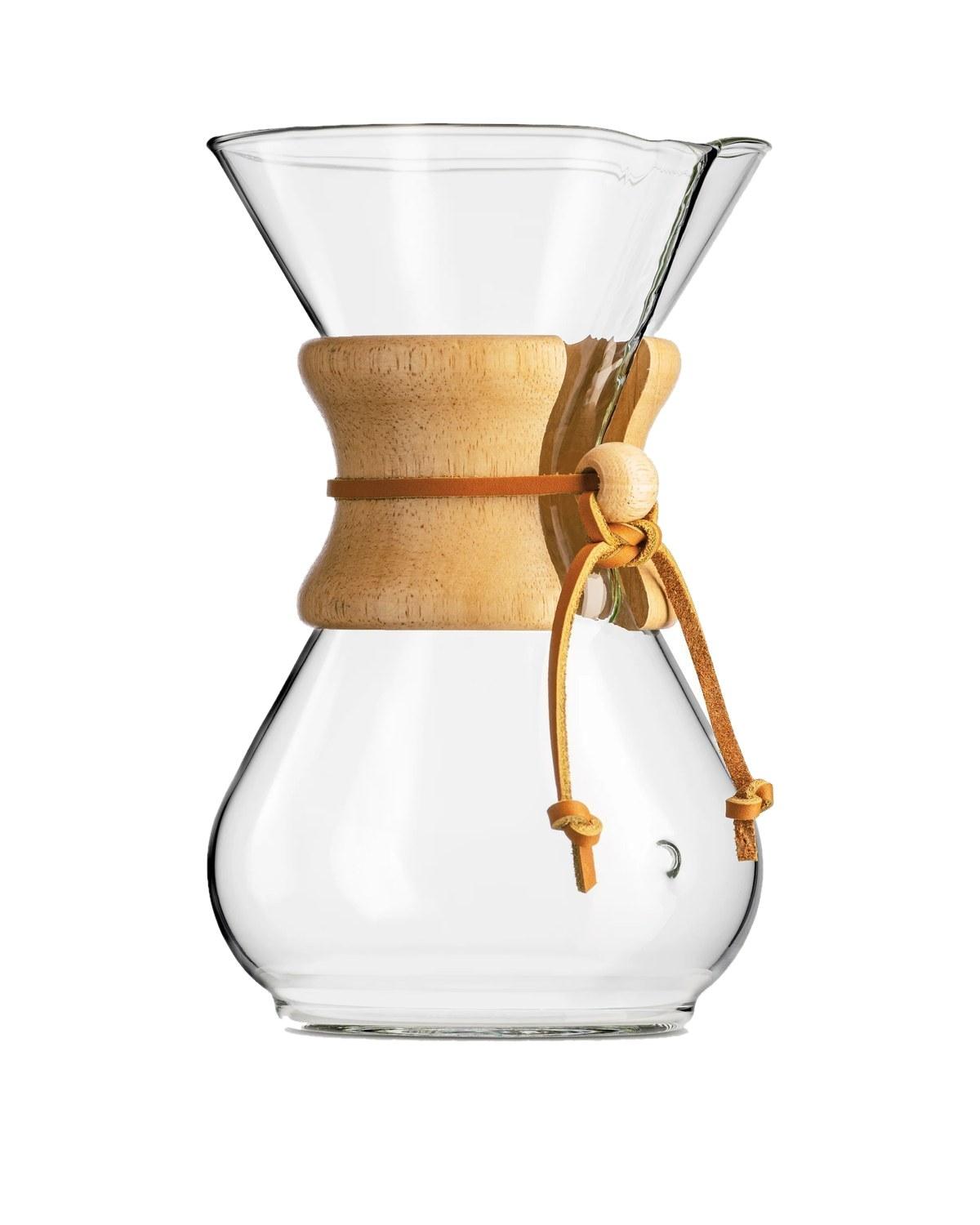
The shop
65 products our guides name, each with what it is made of and the catch we found. You buy from the maker or Amazon, not from us.
MicroPlastics Research Desk
Less Plastic,
Room by RoomA practical guide to lowering plastic contact at home
First edition, November 2026
Less Plastic, Room by Room
A practical guide to lowering plastic contact at home. $19, yours to keep.
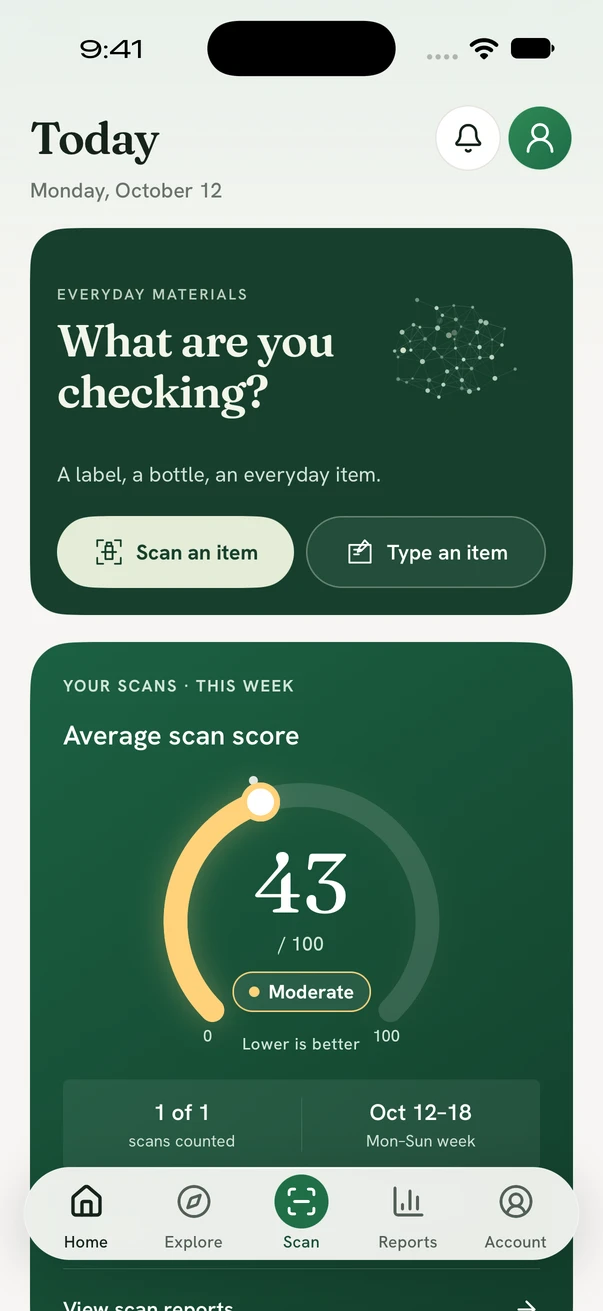
The app
Scan a label, barcode or material marking on iOS or Android. Three free scans to start.
Start with a label, material or product question.
- Bottled waterWhat published samples can tell us about bottled water
- Packaged foodPackaging materials and source-specific findings
- Cosmetics & skincareReview declared ingredient names and formulation questions
- Baby productsBottle materials and applicable cleaning instructions
- Food containersComponents, material disclosures and care instructions
- Household itemsProduct construction details and source notes
Have a product in your hand right now?
Paste its ingredient list into the free checker. No account, no install.
Start with a reviewed guide.
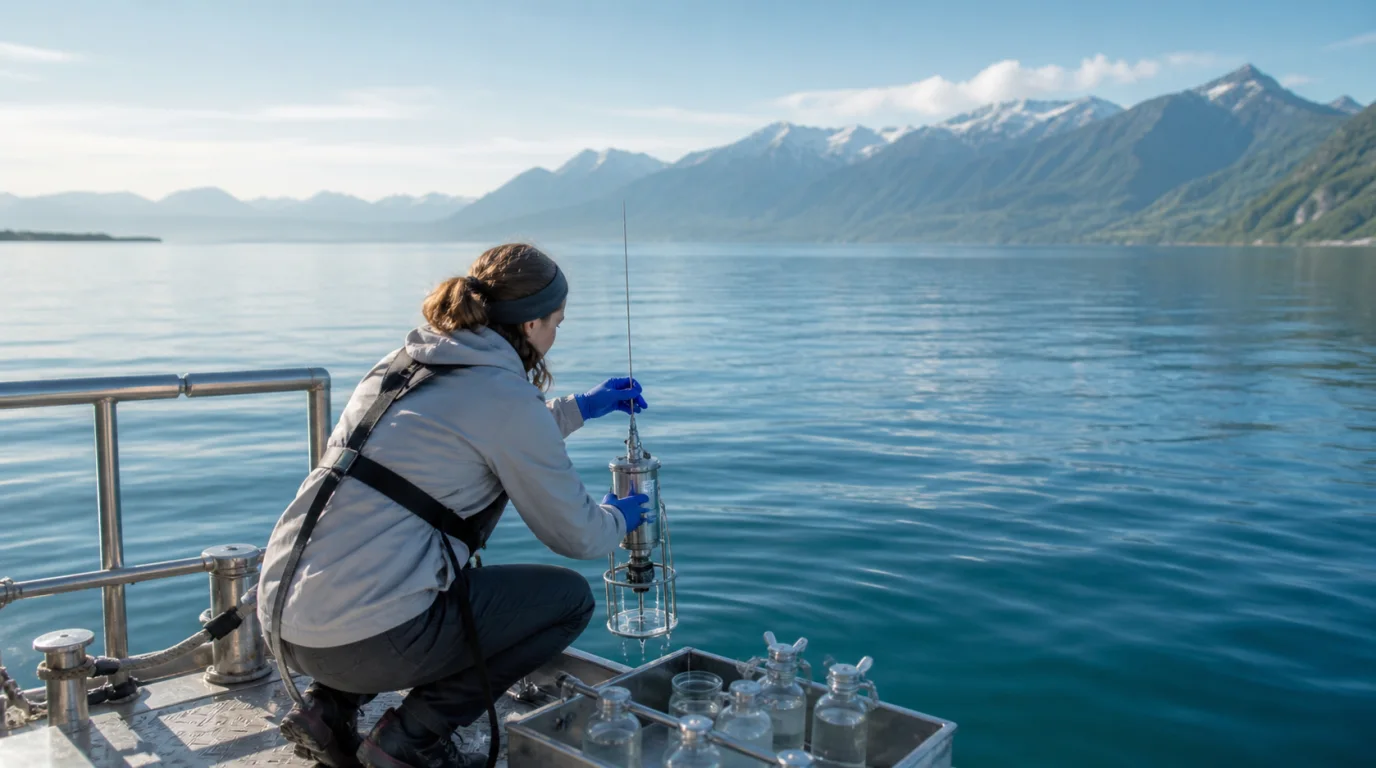
Source-based answers to specific product questions. Each guide separates disclosed materials, study findings and unresolved details.
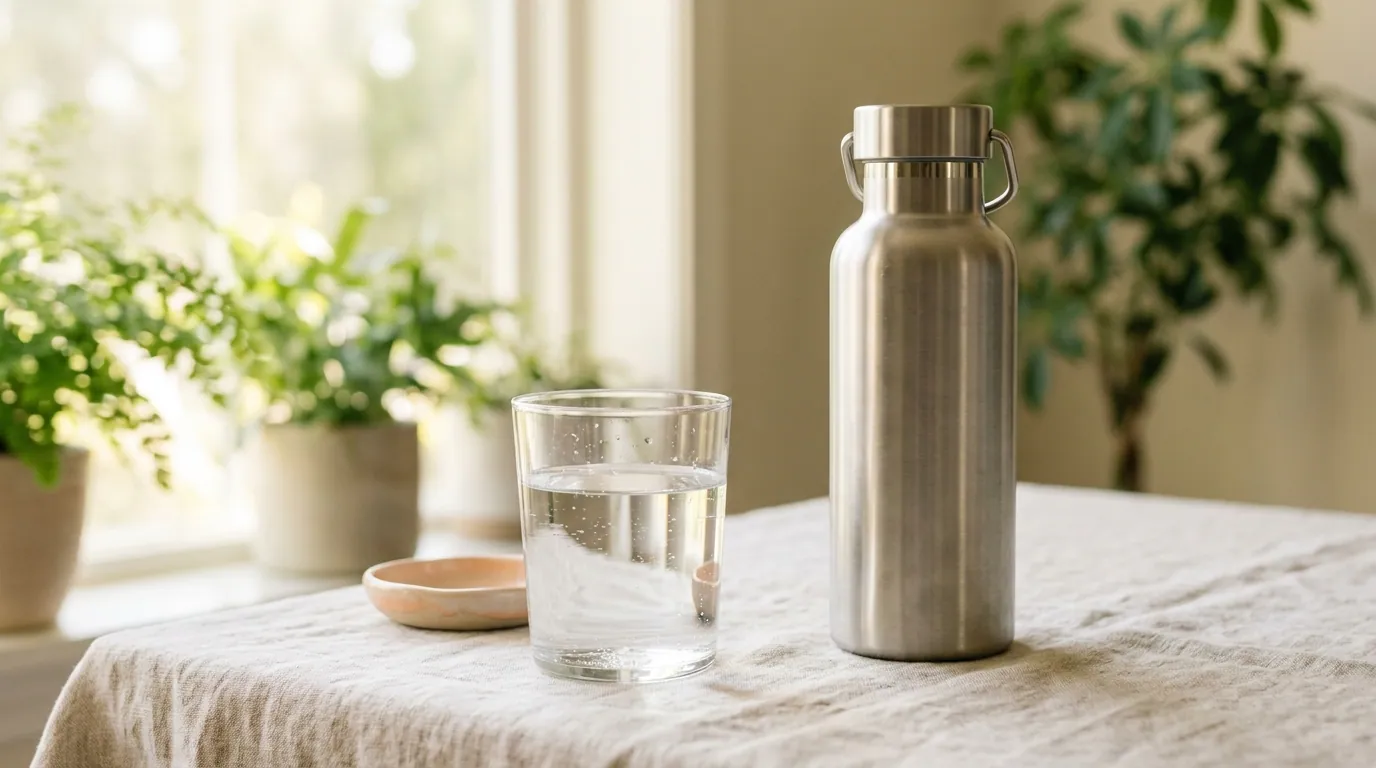
Bottled Water Brands Ranked: What the Tests Actually Show
Compare the actual 2018 lot means, bottle maxima and named brands. Why the 2024 unnamed-brand nanoplastic results cannot be assigned to Aquafina, Dasani or Fiji.
· 8 min read
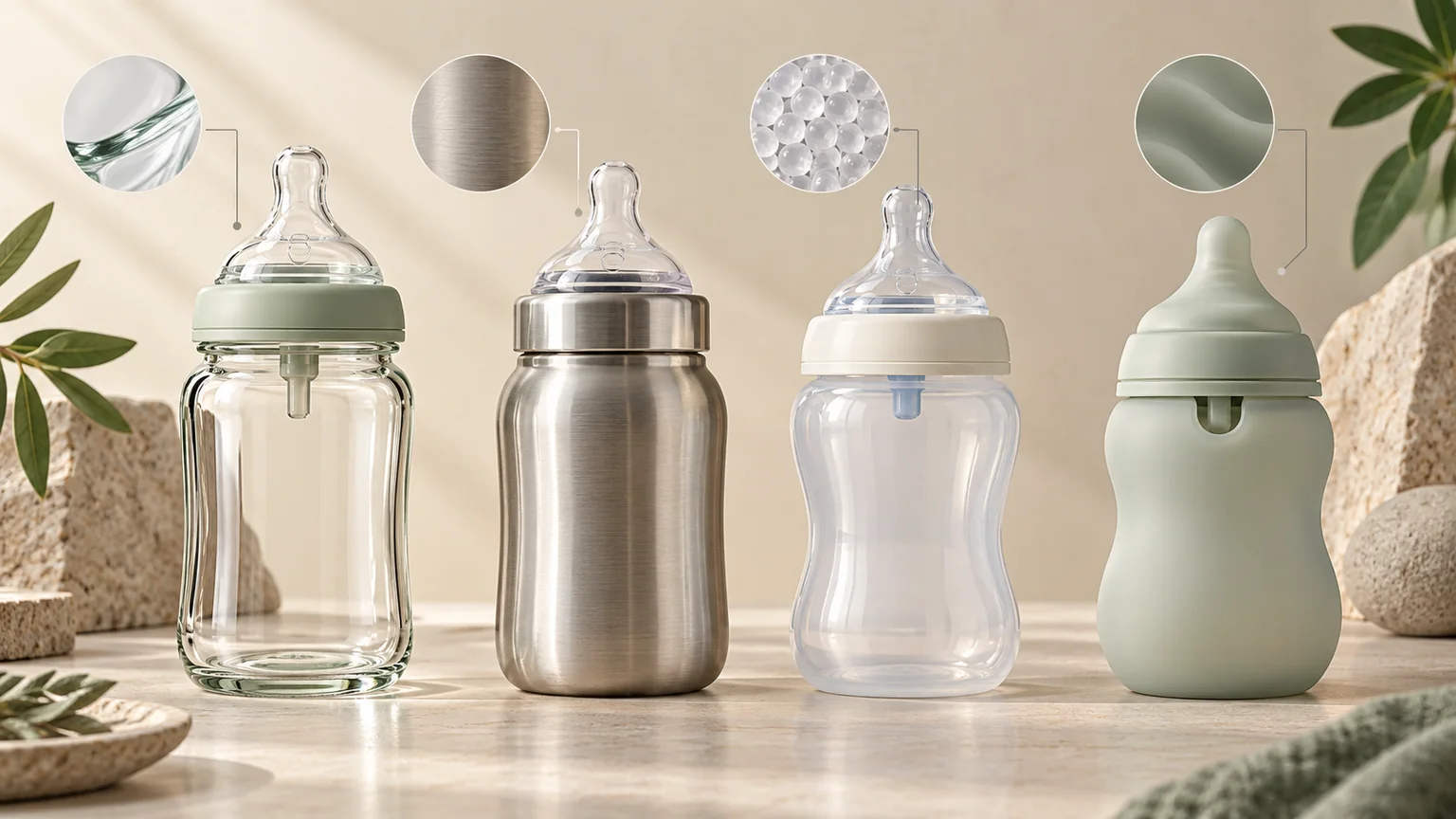
Baby Bottles and Microplastics: Glass, Steel & Silicone
Compare documented assemblies and source-specific bottle and teat studies. No zero-particle promises or changes to formula preparation and hygiene.
· 8 min read
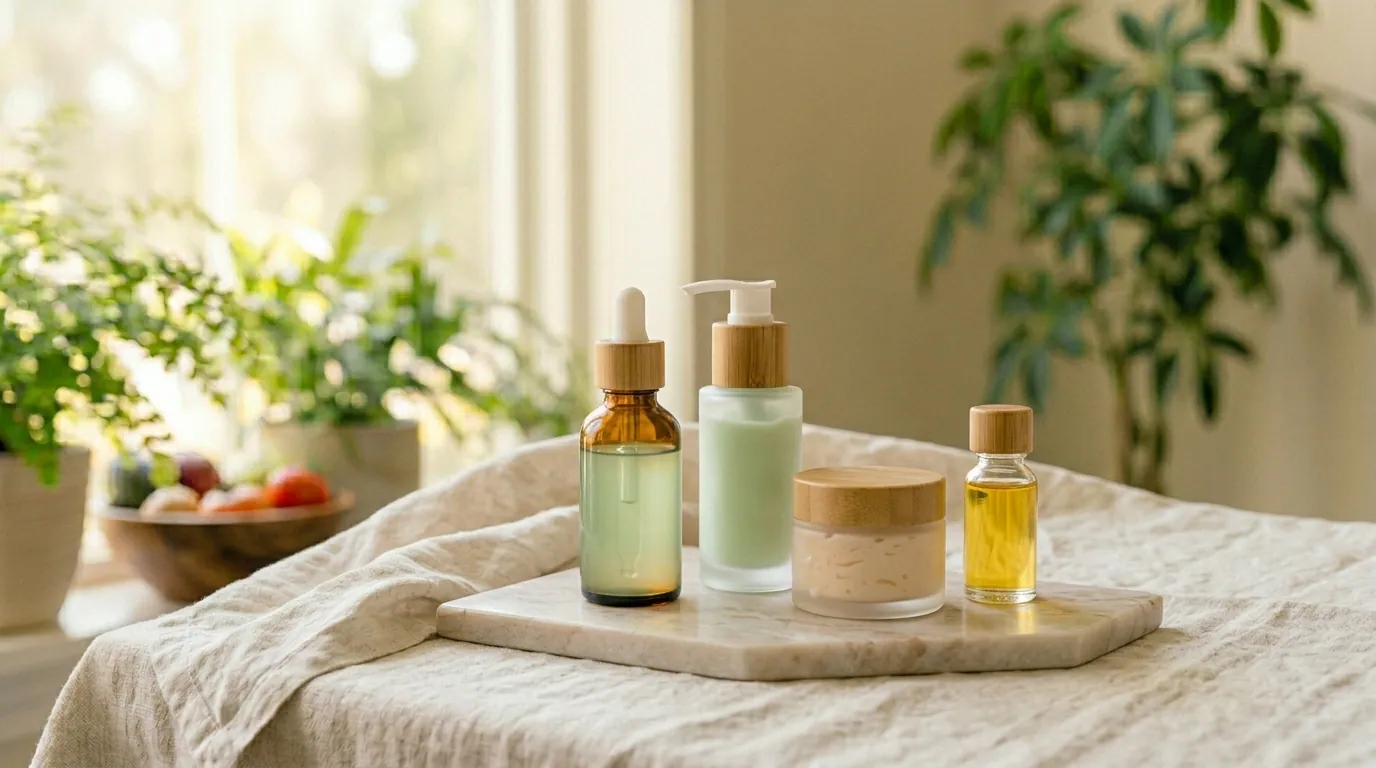
Does Clean Beauty Exclude Microplastics? Standards and Labels Explained
Compare published Sephora India, EU Ecolabel and Zero Plastic Inside criteria. What clean-beauty claims establish, and how to check an exact product and label.
· 8 min read
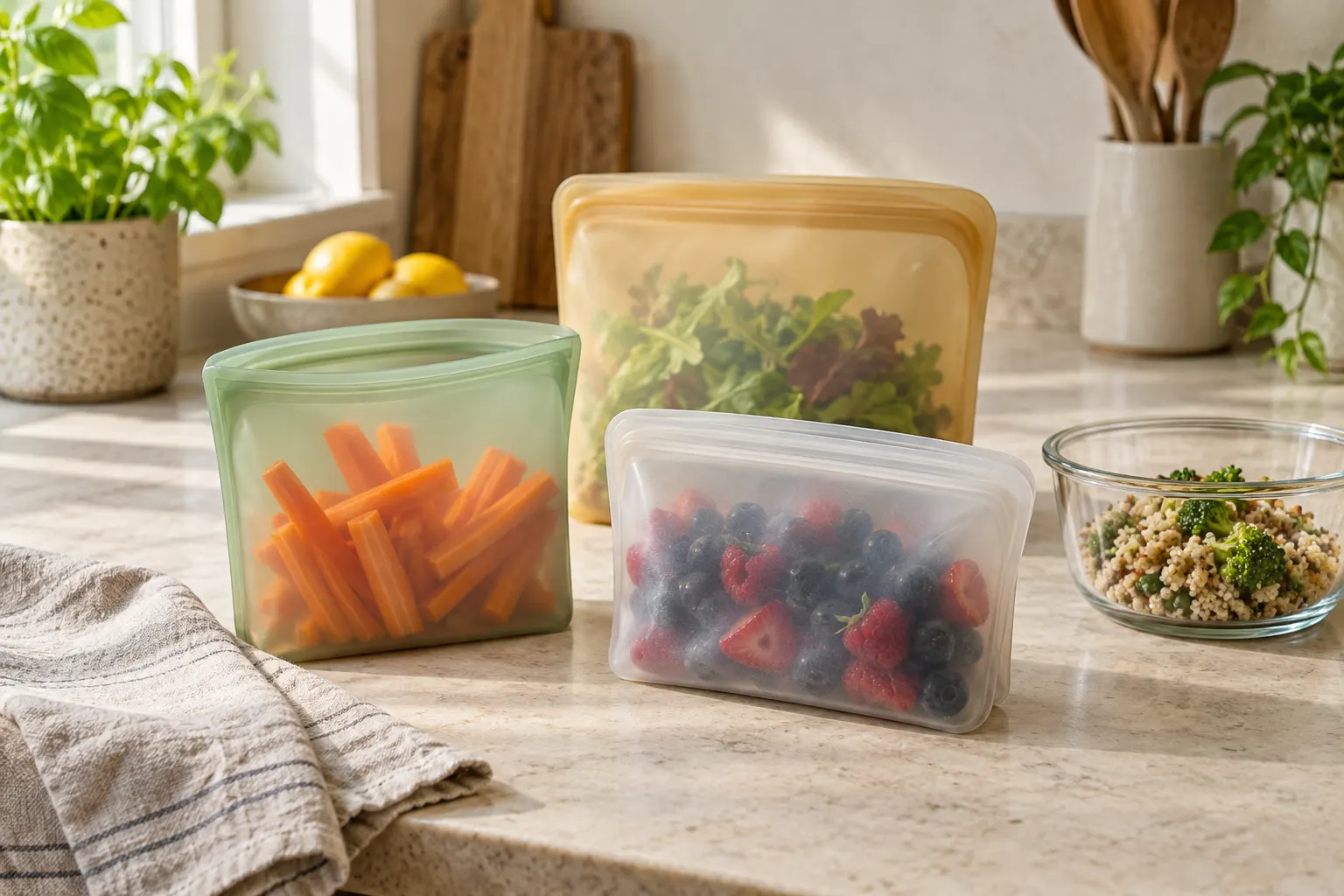
Are Stasher Bags Safe? Silicone, Heat and the Testing Gap
Stasher bags use platinum silicone, not polyethylene film. What the manufacturer allows, what silicone migration studies actually measured, and when glass makes a simpler reheating choice.
· 9 min read
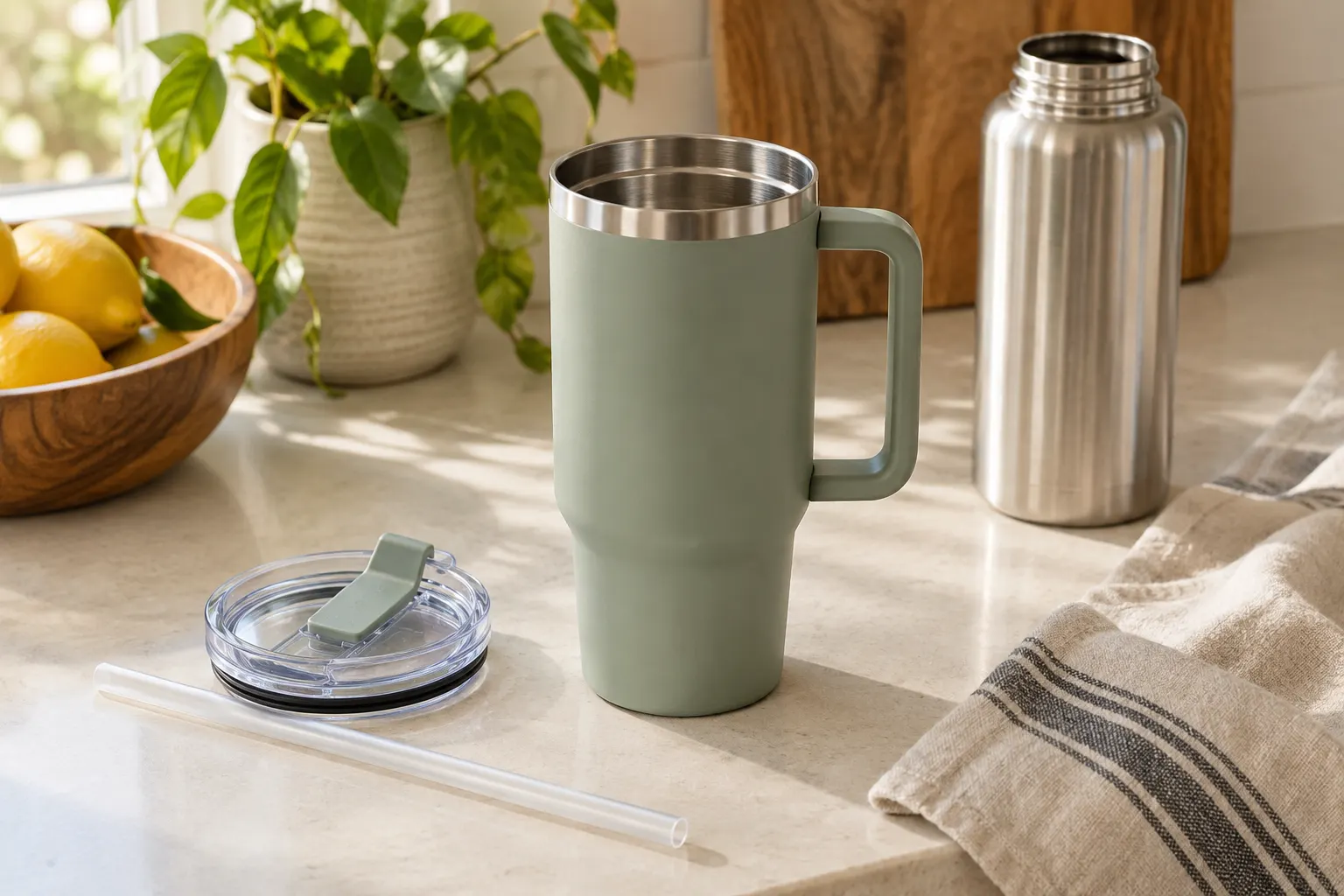
HydroJug Traveler: Steel Body, Plastic Drinking Path
Trace the Traveler’s steel vessel, Tritan lid and straw, manufacturer-document inconsistencies, cleaning instructions and the limits of its BPA-free claim.
· 9 min read
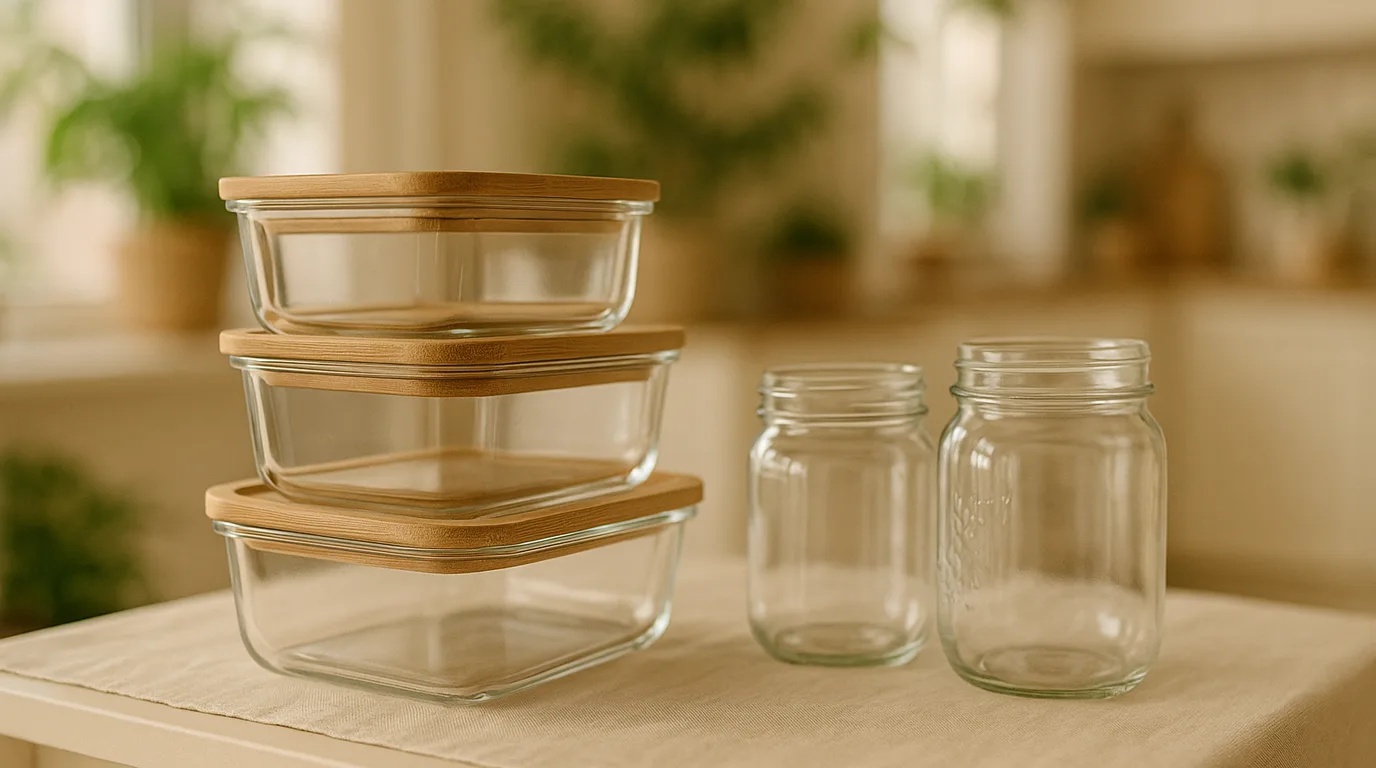
Best Plastic-Free Food Storage: Glass, Steel and Silicone Compared
Compare documented glass, steel and silicone storage by task, lids, seals, useful vessel count and care. Specific options without zero-particle promises.
· 9 min read
Pricing
Choose how you want to explore
Download the app free on iOS or Android. Monthly and annual subscriptions are available; the App Store or Google Play confirms your price and trial eligibility before purchase.
Explore on the web
Free
No install needed
iOS subscriptions · US listing
$49.99/year
Or $7.99/month
Listed 3-day free trial for eligible subscribers. Confirm the offer in the App Store.
The listing describes unlimited scanning. Review the current plan details and terms for the features included in your subscription.
US listing reviewed October 6, 2026. Prices and eligible offers can vary by storefront and account. Subscriptions auto-renew; payment is charged to your Apple ID or Google Play account. Review renewal and cancellation terms in the App Store or Google Play.
See what your routine adds up to.
Review ingredient and packaging information, explore the sources and keep your product research together.
Free oniPhoneandAndroid3 free scans to start