Are Vacuum Sealer Bags Safe? FoodSaver, Sous Vide, and Freezing. What Actually Releases Microplastics (2026)
Last reviewed: by the MicroPlastics Research Desk. Submit a correction or see our editorial standards.
Quick Answer
Different container in your kitchen? Review its confirmed or estimated material and Product Contact Signal, then compare a lower-contact option.
Scan my product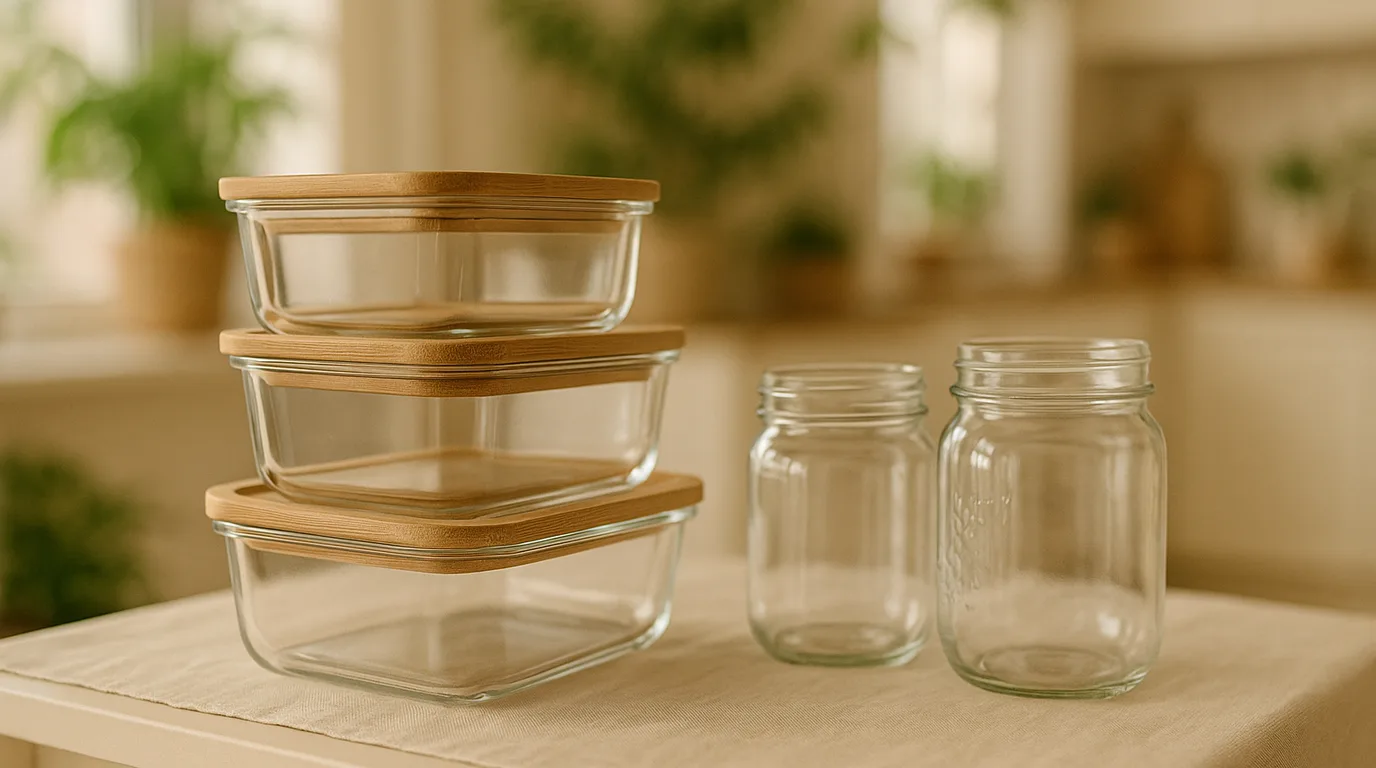
Key Takeaways
- Vacuum sealer bags are multi-layer PE + nylon co-extrusions, a different, tougher construction than single-layer Ziploc LDPE, built for freezer burn protection, not for heat.
- Their core use case (freezing) is near the bottom of the microplastic risk scale. Cold suppresses polymer migration, and studies consistently show release scaling with temperature, not with vacuum.
- The vacuum itself doesn't increase shedding: there's no mechanical abrasion, just static pressure. The heat-seal edge is the one thermally stressed zone, and it's a tiny fraction of the food-contact area.
- Sous vide at 130–165°F for hours is the honest grey zone: manufacturers rate bags “simmer-safe,” but independent microplastic counts at sous-vide time-and-temperature combinations barely exist. We say so rather than invent a number.
- Fatty foods raise migration versus watery foods, oil contact accelerates the transfer of plasticisers and polymer fragments, so a sous-vide ribeye is a higher-migration scenario than sous-vide carrots at the same temperature.
- Safer swaps by use case: platinum-cured silicone bags for sous vide, glass for fridge and freezer, butcher paper + freezer for meat, and jar-vacuum attachments if you want vacuum storage without any bag at all.
Vacuum sealer bags & heat, the numbers that exist
- what the bags are made of
- PE + nylon
- multi-layer co-extrusion, food-contact polyethylene inner wall, polyamide outer for puncture and oxygen barrier
- FoodSaver bag material specs
- the polyolefin + hot water benchmark
- 1.6M particles/L
- polypropylene infant bottles released microplastics on this scale with 70°C water, release climbed steeply with temperature
- Li et al. 2020, Nature Food
- from one PE-lined cup of hot liquid
- ~25,000 particles
- 100 ml of 85–90°C water in a polyethylene-lined paper cup for 15 minutes, moderate heat plus time is enough for PE to shed
- Ranjan et al. 2021, J. Hazardous Materials
- migration at freezer temperatures
- near zero
- polymer migration is temperature-driven; at −18°C the PE matrix is far below the mobility range where particles and additives transfer
- Liu et al. 2021, Sci. Total Environment
- FDA rates food-contact plastics by temperature
- Conditions A–H
- US food-contact clearances are tied to intended temperature of use, a freezer-rated film is not evaluated as a boiling vessel
- FDA food contact substances
- independent sous-vide microplastic data
- thin
- no published study has counted particles from vacuum bags at 130–165°F over multi-hour cooks, the risk here is inferred from polymer behaviour, not measured
- Our literature review, 2026
What FoodSaver and generic vacuum bags are actually made of
A vacuum sealer bag is not a thicker Ziploc. Where a Ziploc is a single layer of low-density polyethylene (LDPE), a FoodSaver-style bag is a co-extruded multi-layer film: an inner wall of food-contact polyethylene that touches your food, bonded to an outer layer of nylon (polyamide, PA), sometimes with an EVOH oxygen-barrier layer in between. The nylon is there for puncture resistance and to stop oxygen crossing the film, which is what actually prevents freezer burn. The embossed channel-texture on one side exists so the sealer can pull air out; it doesn't change the food-contact chemistry.
That construction matters for the microplastics question in two ways. First, the layer touching your food is still polyethylene, so everything research has established about PE migration rising with temperature and contact time applies here just as it does to the bags in our Ziploc breakdown. Second, the multi-layer film is stiffer and more fatigue-resistant than single-layer LDPE, which is a modest point in its favour for freeze–thaw handling. Neither FoodSaver bags nor reputable generics contain BPA, PVC, or phthalate plasticisers. PE and PA don't need them.
Use case 1. Freezing (near-zero risk, and the whole point of the bag)
This is what the bag was engineered for, and it's the easiest call in this article. Polymer migration is temperature-driven: particle release and additive transfer both fall off steeply as the polymer cools, and at −18°C the PE matrix is essentially locked. Modelling of LDPE release under simulated storage conditions (Liu et al. 2021, Science of the Total Environment) consistently places cold storage orders of magnitude below any hot-contact scenario. Vacuum-sealing a batch of chili, freezing it for three months, and thawing it overnight in the fridge is about as low-migration as plastic food contact gets.
One practical note carried over from the Ziploc research: it's repeated freeze–thaw cycling, not freezing itself, that fatigues polyethylene films. Portion food before sealing so each bag is thawed exactly once.
Use cases 2 & 3. Fridge storage and room-temperature pantry (low)
Vacuum-sealed cheese in the fridge, coffee beans or nuts in the pantry: both sit low on the ladder. Below ~7°C, PE migration is minimal; at room temperature it's slightly higher but still small, especially for dry foods, which lack the liquid contact film that carries particles into what you eat. The one modifier worth knowing is fat: oily foods in direct, prolonged contact with PE (hard cheese, cured meat, nuts) pull more from the polymer than watery or dry foods do, because oil wets the plastic surface and acts as a migration solvent. Still a low-risk scenario, just the reason cheese in vacuum plastic for six weeks isn't quite the same as pasta in vacuum plastic for six weeks.
Use case 4. Sous vide at 130–165°F (the interesting one)
Sous vide is why most people are reading this. The format is practically built around vacuum bags: a steak at 130°F for two hours, pork shoulder at 165°F for twenty-four. That means long contact time at moderate heat, precisely the two variables that drive polyethylene migration. The benchmark studies are blunt about the direction: polypropylene bottles shaken with 70°C water released microplastics on the scale of 1.6 million particles per litre, climbing steeply with temperature (Li et al. 2020, Nature Food), and a PE-lined paper cup gave up ~25,000 particles into 100 ml of 85–90°C water in just 15 minutes (Ranjan et al. 2021). Neither of those is a sous-vide bag, but both are polyolefins in hot water, and both show release scaling with exactly the conditions a sous-vide cook creates.
Here is the honest part: no published study has counted microplastic release from vacuum sealer bags at sous-vide time-and-temperature combinations. Manufacturers rate the bags “simmer-safe” up to roughly 195°F, which is a mechanical and regulatory claim, the bag won't delaminate, and the materials are cleared for heated food contact, not a particle-count claim. What we can say from polymer behaviour: at 130°F for a two-hour steak, you're at the low end of the migration curve and contact is with a mostly watery surface. At 165°F for a 24-hour cook with a fatty cut, you've combined the three accelerants (heat, time, and oil contact) and you should assume migration is meaningfully above cold storage even though nobody has published the number. The same heat-scaling logic applies to a water bottle left in a hot car , temperature is the master variable across every plastic-and-food question we cover.
A note on the vacuum itself, since it worries people: pulling a vacuum does not increase shedding. Microplastic release from films comes from heat, chemical contact, and mechanical abrasion, flexing, scrubbing, fracturing. Static pressure from evacuated air is none of those. The heat-seal edge is the one part of the bag that has been thermally stressed (the sealer bar briefly melts the PE layers together), but it's a few square centimetres against the whole bag's food-contact area, a fine detail, not a deal-breaker.
Use case 5. Boiling (worst case, and often off-label)
Boil-in-bag reheating, dropping a sealed bag of frozen soup into 212°F water, is the worst case for a vacuum bag. Many generic bags are not rated for boiling at all, and even FoodSaver distinguishes its simmer guidance from a rolling boil. At 212°F you're past the temperatures at which the benchmark studies recorded their highest release rates from polyolefins, the bag film softens, and seams are under thermal stress. US food-contact clearances are themselves tied to intended temperature of use (the FDA's conditions-of-use lettering), a film cleared for frozen and refrigerated storage was never evaluated as a boiling vessel. If a recipe wants boiled-in-bag, that's the clearest signal in this article to change the container, not the recipe: reheat in a pot or in glass.
Use case 6. Washing and reusing bags
Thrifty sous-vide cooks rinse and reuse bags. From a microplastics standpoint this is a real step up the ladder: washing with abrasion (sponges, brushes, hot detergent water) scuffs the PE surface, and an abraded polymer surface sheds more on its next use. That's the same mechanism that makes scratched plastic cutting boards and aged food containers shed more than new ones. If you reuse, reserve it for dry goods, skip the scrubbing, and retire any bag that held fatty food or went through a hot cook. Reuse is where the economics of plastic-free storage quietly win, a silicone bag is built to be washed hundreds of times; a vacuum bag is not.
Every use case ranked, with the safer swap for each
| Use case | Microplastic risk | Why | Safer swap |
|---|---|---|---|
| Freezing (single thaw) | Near zero | Cold locks the PE matrix; migration is temperature-driven | Glass containers, or butcher paper + freezer for meat |
| Fridge storage | Low | Below ~7°C migration is minimal; fat contact is the only modifier | Glass with silicone lid |
| Pantry / room temp (dry goods) | Low | No heat, no liquid contact film | Jar-vacuum attachment on a mason jar |
| Sous vide at 130°F, short cook | Moderate | Low end of the PE migration curve, but hours of contact | Platinum-cured silicone sous-vide bag (Stasher) |
| Sous vide at 165°F, long cook | Moderate–high | Heat + time + fat contact; no independent particle data at these conditions | Silicone bag, or sear-and-braise in cast iron instead |
| Boiling (212°F) | High | Above rated range for many bags; peak of the release curve | Reheat in a pot or oven-safe glass |
| Reuse after washing | Elevated per use | Abrasion scuffs the PE surface and raises subsequent shedding | Silicone bags, designed for hundreds of wash cycles |
The ladder mirrors the framework from our Ziploc use-case ranking , same polymer family, same master variables (heat, time, fat, abrasion), different bag construction. For the room-by-room version, see microplastic-free kitchen swaps and the microplastics in food hub.
Safer alternatives, matched to the job
- Sous vide → platinum-cured silicone bags (Stasher, Anova's reusable line). Silicone is stable across the entire sous-vide range, publishes far better high-temperature behaviour than PE, and is built for reuse. Displace the air with the water-immersion method, you don't need a vacuum for sous vide, only the absence of air pockets.
- Fridge and freezer → borosilicate glass with silicone lids. Zero polymer contact on the food's main surface, freezer-safe, and reheatable in the same vessel.
- Meat for the freezer → butcher paper, then freeze. A tight double-wrap in butcher or freezer paper handles weeks-scale storage with no plastic-to-food contact; add an outer bag only if you're storing past a couple of months and freezer burn becomes the bigger enemy.
- Pantry vacuum storage → jar-vacuum attachments. FoodSaver and others sell jar-sealer accessories that pull a vacuum on a standard mason jar, vacuum preservation for coffee, grains, and nuts with glass as the only food-contact surface.
What the MicroPlastics app checks
- The film construction of the vacuum bags you scan (PE + nylon co-extrusion, EVOH-lined, or single-layer LDPE) from the box barcode.
- The manufacturer's rated temperature range versus the use you select (freeze, sous vide, simmer, boil), flagging off-label uses.
- A 0–100 microplastic risk score per use case, so “chili frozen in a FoodSaver bag” and “24-hour pork shoulder at 165°F” get scored as the different scenarios they are.
- The cleanest same-format alternative (silicone sous-vide bags, jar-vacuum attachments, glass) matched to the job you actually use the bag for.
Use the App
The bag is one variable, your kitchen is a system
Vacuum bags, cutting boards, cookware, storage containers: each one contributes on its own curve. Scan what's actually in your kitchen and the app scores each item by how you use it, then ranks the swaps that move your exposure most.
Scan my kitchen setupFrequently Asked Questions
Are FoodSaver bags BPA-free?
Is sous vide in plastic bags safe?
Can you boil vacuum sealer bags?
Are vacuum sealer bags safe for freezing?
What are the safest sous vide bags?
Sources
- Li D, Shi Y, Yang L, et al. (2020). Microplastic release from the degradation of polypropylene feeding bottles during infant formula preparation. Nature Food.
- Ranjan VP, Joseph A, Goel S. (2021). Microplastics and other harmful substances released from disposable paper cups into hot water. Journal of Hazardous Materials.
- Liu G, Wang J, Wang M, et al. (2021). Microplastic release from disposable plastic bags under simulated environmental conditions. Science of the Total Environment.
- Hussain KA, Romanova S, Okur I, et al. (2023). Assessing the Release of Microplastics and Nanoplastics from Plastic Containers and Reusable Food Pouches: Implications for Human Health. Environmental Science & Technology.
- US Food & Drug Administration (2023). Food contact substance notifications: conditions of use for food-contact polymers. FDA.
After install · scan this first
Open the camera and scan your vacuum sealer bag roll or box.
Bag ratings differ by brand, some rolls are rated simmer-safe, others freezer-only. Scan yours to see its polymer stack and whether your sous-vide habit matches what the bag is rated for.
Android · early access
Get the launch email the day Android opens.
One email. No spam. We send when the Android app is in the Play Store, and never again unless you opt in.
Go deeper
Less-travelled research from our archive that follows directly from this page.
Related Research
Do Air Fryers Release Microplastics? Nonstick Baskets, Liners & the Safe Setup (2026)
Mostly no: an intact PTFE basket is stable at air-fryer temperatures. But scratched coatings shed real microplastics (a single scratch ≈ 9,100 particles), and cheap coated-paper liners add fluorinated chemicals. Silicone vs parchment liners, ceramic and stainless baskets, and the safe setup.
Read moreAre Stanley Cups Non-Toxic? Inside the Stanley Quencher H2.0, IceFlow & AeroLight Microplastic Audit (2026)
A full audit of every Stanley line for microplastic and chemical risk in 2026: Quencher H2.0, IceFlow, AeroLight, ceramic. The 2024 lead controversy explained, plus straw, lid, paint, and dishwasher results.
Read moreIs Borosilicate Glass Safe? Lead, Heat & Pyrex Compared
Yes. Borosilicate is plastic-free at the contact surface and handles thermal shock better than soda-lime glass. Lead, leaching, modern Pyrex, breakage, lids, and the viral danger claims compared.
Read moreAre Ziploc Bags Safe? Microplastics, BPA & Heat
Ziploc bags are BPA-free, but heat changes the equation. Compare cold storage, freezing, hot food and microwave use, plus lower-contact swaps.
Read moreMicroplastics in Cooking Utensils: Spatulas, Cutting Boards, Spoons
Plastic and black nylon utensils, cutting boards, and blender jugs shed microplastics directly into food. Here is what to replace and what to use instead.
Read moreMicroplastics in the Air at Home: HEPA, Carpets & Indoor Sources
Indoor air contains 3 to 15 times more microplastics than outdoor air. The biggest sources are synthetic carpets, clothing, and dust. Here is how to reduce them.
Read more