Microplastics in Coffee Creamer: It's the Packaging, Not the Cream (2026)

Last reviewed: by the MicroPlastics Research Desk. Submit a correction or see our editorial standards.
Quick Answer
Got a different brand in the cupboard? Review its packaging inputs and Product Contact Signal, then compare a lower-contact option.
Scan my product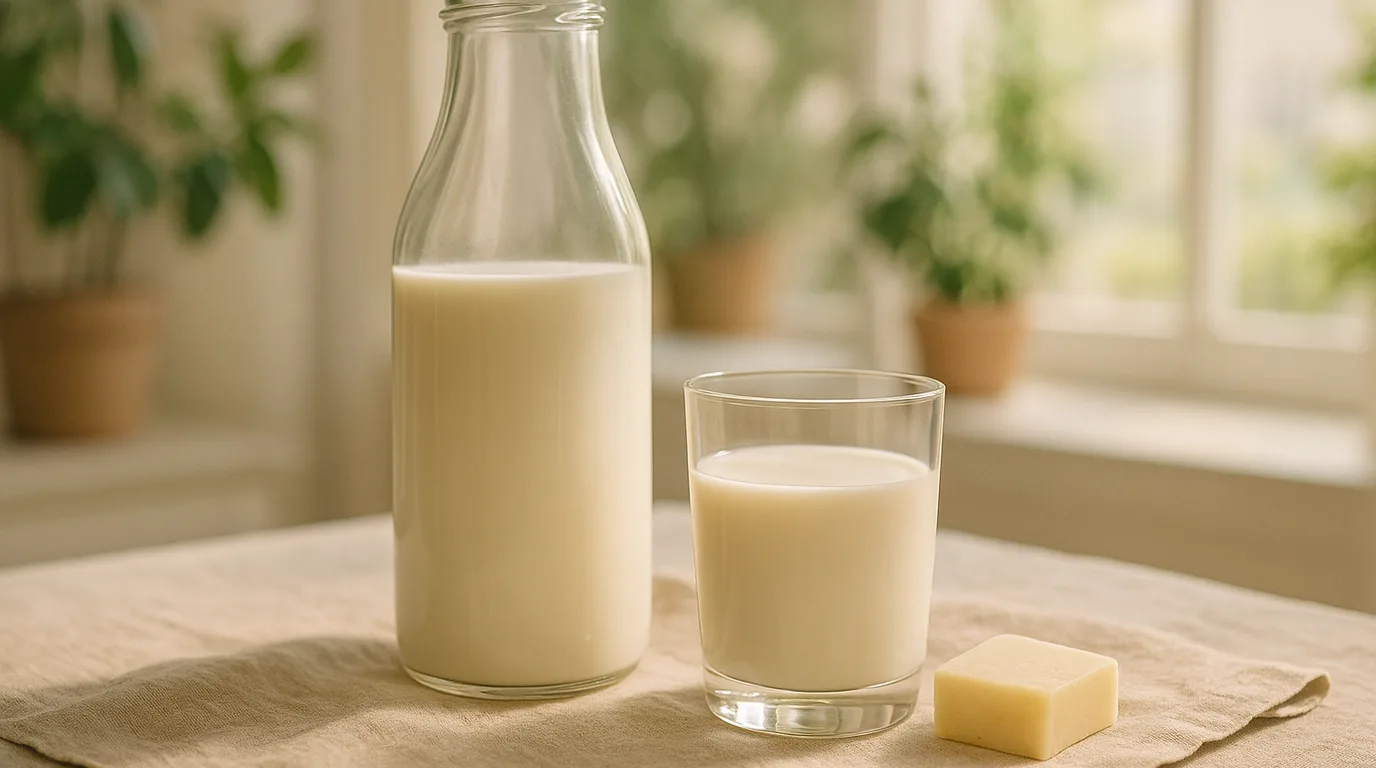
Key Takeaways
- There is no published study measuring microplastics in the creamer liquid — the exposure route is the packaging it comes in.
- Single-serve creamer cups (the peel-top minis) are usually polystyrene or polypropylene, and hot coffee poured over them is the worst-case heat contact.
- Liquid creamer bottles are PET (#1) plastic; Coffee Mate moved its portfolio to 100% PET bottles, recyclable but still plastic.
- Powdered creamer in a cardboard or metal canister is lower-risk packaging, though most non-dairy creamers are heavily processed.
- Best swaps: large-format over single-serve, glass milk/creamer, or milk and half-and-half from a paper carton (see microplastics in milk and dairy).
- The hot cup matters too — see does Starbucks coffee contain microplastics.
Coffee creamer & microplastics — the facts
- the real exposure route
- Packaging
- no study measures the liquid; the container is the source
- Microplastic packaging literature
- single-serve cup plastic
- PS / PP
- polystyrene or polypropylene minis + hot coffee poured over them
- Single-serve creamer packaging
- liquid creamer bottles
- PET #1
- recyclable but still a plastic bottle that can shed particles
- Coffee Mate packaging
- powdered creamer packaging risk
- Lower
- cardboard/metal canister vs plastic — but highly processed
- Product packaging
Does coffee creamer have microplastics?
The honest answer is that no one has directly measured it in the creamer liquid — and the more useful answer is that you are asking about the wrong thing. The microplastic story with coffee creamer is a packaging story, and packaging is where a real, avoidable exposure lives.
Start with the worst case: the single-serve creamer cup, the peel-lid mini you find at diners, offices, and hotel lobbies. Those cups are typically polystyrene or polypropylene, and the way they are used — peeled open and topped with, or poured into, hot coffee — creates exactly the heat-plus-plastic contact that drives microplastic and chemical migration. Polystyrene in particular softens near the temperature of hot coffee.
Bottles and powders
Liquid creamer bottles (Coffee Mate, International Delight, natural bliss) are PET plastic. Nestlé moved the Coffee Mate portfolio to 100% PET bottles — recyclable, which is good for waste, but still a plastic bottle that can shed particles over shelf life and warm storage. The creamer sits cold in the fridge, so this is a lower-heat contact than the single-serve cup, but it is not zero.
Powdered creamer in a cardboard or metal canister is the lowest-risk packaging. The catch is the product itself: most non-dairy powdered creamers are ultra-processed blends of oils, corn syrup solids, and additives — a separate health conversation from microplastics, but worth knowing.
The cleaner ways to lighten your coffee
| Option | Packaging | Microplastic risk |
|---|---|---|
| Milk / half-and-half from a paper carton | Paperboard (PE-lined) | Low |
| Creamer or milk poured from glass | Glass | Lowest |
| Large-format liquid creamer (PET) | PET bottle, cold | Low–moderate |
| Powdered creamer (canister) | Cardboard / metal | Low packaging, ultra-processed |
| Single-serve creamer cups | Polystyrene / PP + hot coffee | Highest — heat + plastic |
Related reading: microplastics in milk and dairy, microplastics in oat milk, and microplastics in coffee by brewing method.
Use the App
Check what your coffee habit is really made of
Scan your creamer bottle, pods, and to-go cups with the MicroPlastics app to see the packaging material, the heat-exposure factors, and a cleaner swap.
Get the MicroPlastics appFrequently Asked Questions
Does coffee creamer contain microplastics?
Are single-serve creamer cups bad for microplastics?
Is powdered creamer better than liquid for microplastics?
What is the lowest-microplastic way to lighten coffee?
Sources
- Ranjan VP, et al. (2021). Microplastics and other harmful substances released from disposable paper cups. Journal of Hazardous Materials.
- Hu J, et al. (2023). Microplastic release from disposable food containers under hot conditions. Journal of Hazardous Materials.
- World Health Organization (2022). Dietary and inhalation exposure to nano- and microplastic particles. WHO.
Audit your whole pantry, not just the 5 foods in this article
The app keeps a running scan history for every packaged food you own, every brand swap you make, and every reformulation a brand quietly pushes. The article is a snapshot. The app is the trend line.
Download on the App Store- Free on iOS
- 3 free scans
- No sign-up
- Result in seconds
“Really cool to scan stuff around the kitchen and see what's actually in it. The swaps it suggests are realistic.” App Store review · 5.0★
Android · early access
Get the launch email the day Android opens.
One email. No spam. We send when the Android app is in the Play Store, and never again unless you opt in.
Related Research
Do Keurig Coffee Makers Have Microplastics? The Honest Answer (2026)
Yes, but far less than the internet claims. A Keurig heats water through a polypropylene pod and its own plastic reservoir and tubing. The one study that measured capsule-brewed coffee found about ten microplastic particles per mug, not the billions spread online. The honest evidence, the machine vs the pod, and the swaps that actually cut it.
Read moreAre Cans Lined With Plastic? What’s Actually Inside Your Food, Beer & Tuna Cans (2026)
Yes: essentially every metal food and beverage can has a polymer lining, because bare metal corrodes and makes food taste metallic. The question is which polymer. Most US food cans have moved off BPA epoxy to acrylic, polyester, non-BPA epoxy or oleoresin. What each one is, where it is used, and what the evidence actually shows.
Read moreStyrofoam Takeout Containers Release 148× More Microplastics Than Plastic Ones (2026)
Under hot water, expanded polystyrene foam released 2.82 million microplastic particles per litre: roughly 148× more than polypropylene (Hu et al. 2023). The reason: polystyrene’s glass transition sits at about 100°C, the exact temperature of the soup you just poured in. Container types ranked, with the one swap that matters.
Read moreBest Plastic-Free Coffee Makers 2026: Drip, Pour-Over and Press Ranked
Chemex, steel presses and ceramic pour-over put no plastic in the hot-water path. Two drip machines now claim the same, Simply Good and Caraway’s new brewer, and we checked what each discloses. Every setup ranked by hot-plastic contact.
Read moreAre Red Solo Cups Safe? Microplastics in Party Cups, Plates & Coolers: July 4th Guide (2026)
Red Solo cups are #6 polystyrene: one of the plastics most prone to shedding micro- and nanoplastics, and alcohol increases leaching. Party cups, paper plates, plastic cutlery, and foam coolers ranked by microplastic risk, plus realistic lower-plastic-contact comparisons for a July 4th cookout.
Read moreDoes Instant Coffee Have Microplastics? Nescafé, Starbucks VIA, Folgers & Mount Hagen Ranked (2026)
Instant coffee powder is not plastic: but the jar, the stick pack, the kettle, and the cup decide your exposure. Nescafé Clásico, Taster’s Choice, Starbucks VIA, Folgers (plastic AromaSeal canister), Café Bustelo and Mount Hagen ranked, plus the prep that cuts microplastics to near zero.
Read more