Microplastics in Milk and Dairy Products: A Complete Guide

Last reviewed: by the MicroPlastics Research Desk. Submit a correction or see our editorial standards.
Quick Answer
Got a different brand in the cupboard? Review its packaging inputs and Product Contact Signal, then compare a lower-contact option.
Scan my product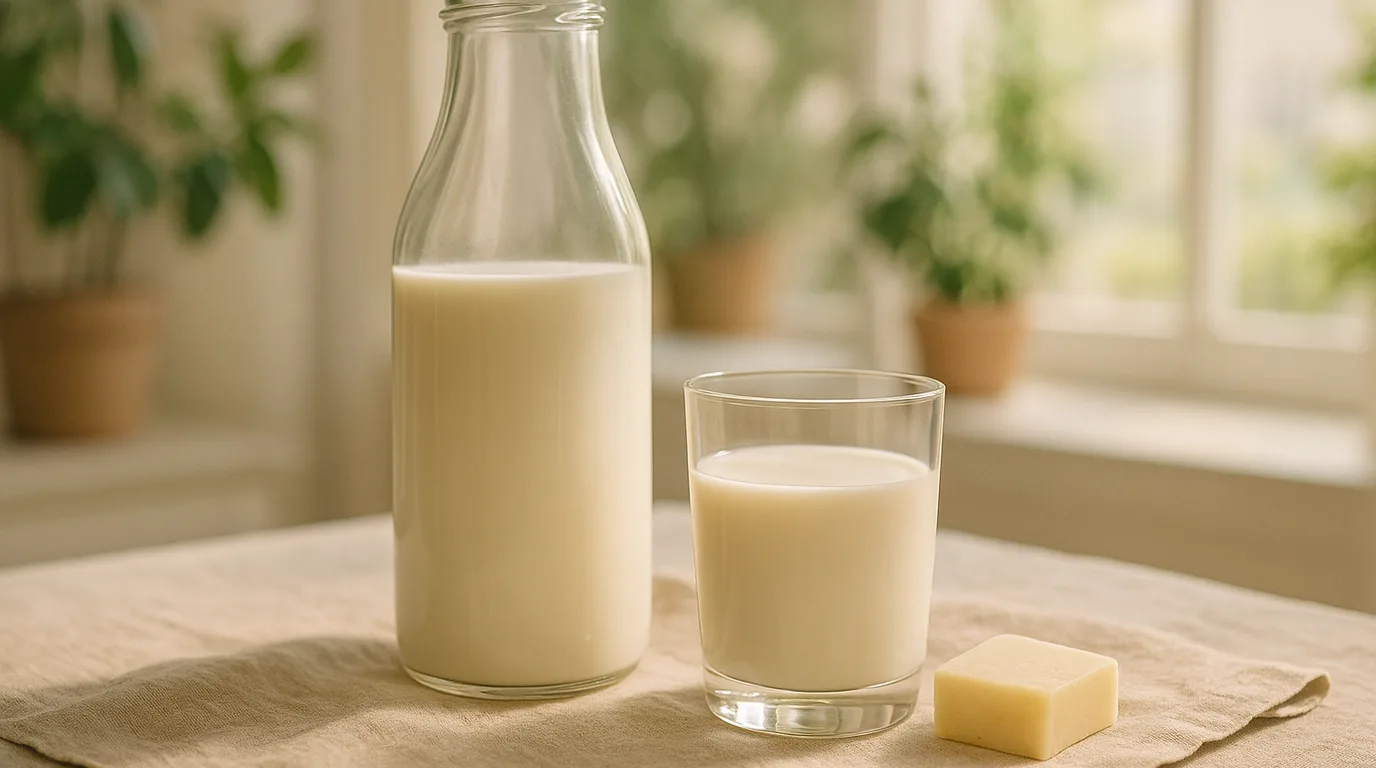
Key Takeaways
- Cleanest dairy formats: glass-bottled milk and yogurt; block cheese cut at a counter.
- Worst formats: polystyrene yogurt cups for acidic Greek yogurt; thin-film cheese slices; PE-lined ice cream cartons.
- Heat amplifies leaching, never microwave dairy in its plastic container.
- 2026 update: dairy is a secondary dietary source; packaging contact and heating milk in plastic matter far more than the milk itself.
Microplastics Have Been Found in Nearly Every Dairy Product Tested
Milk is one of the most widely consumed beverages on Earth. It is a dietary staple for billions of people, given to infants as a primary source of nutrition, and used in countless products from cheese to yogurt to butter. Most people consider dairy to be a wholesome, natural food. But a growing body of scientific research has revealed that microplastics in milk and dairy products are far more prevalent than previously understood, and the contamination spans the entire dairy supply chain from farm to refrigerator.
Studies from Italy, Mexico, Germany, and other countries have detected microplastic particles in fresh milk, ultra-high temperature processed milk, infant formula, cheese, yogurt, and even human breast milk. The findings raise important questions about how these particles get into dairy, what the health implications might be, and what consumers can do to reduce their exposure.
2026: Milk in the Context of the Whole Diet
A 2026 University of Amsterdam study in the Journal of Hazardous Materials measured microplastic content across 13 food categories -- milk included -- on a single comparable basis, which lets us finally place dairy properly rather than discussing it in isolation.
Milk was not among the dominant contributors. Fruit, vegetables and grains together supplied roughly 99.5% of daily microplastic particles, a function of how much of them people eat rather than unusual contamination. For most households, dairy is a secondary source.
The qualifier that matters for dairy specifically is packaging and heat. The milk itself arrives comparatively clean; the contact surfaces are where the picture changes -- PE-lined cartons, plastic jugs stored for days, and above all the practice of warming milk in plastic. That last one is the single highest-yield habit to change, and it applies with real force to infant feeding, where the combination of hot liquid, plastic bottle, and vigorous shaking is a well-documented worst case.
As with every other food in this literature, presence is established and dose-response is not. There is no reference level defining a harmful ingested quantity, so the sensible framing is reducing avoidable contact rather than avoiding the food.
How Microplastics Enter the Milk Supply
Microplastic contamination of milk occurs at multiple points along the production chain, making it a complex problem with no single solution.
Animal Feed and Water
Dairy cows consume feed and water that are themselves contaminated with microplastics. Silage stored in plastic wrap, feed transported in polyethylene bags, and drinking water drawn from surface sources all contribute microplastic particles to the animals’ diet. Research has shown that microplastics ingested by livestock can pass through the digestive system and, in some cases, translocate into milk. A 2022 study published in the journal Food Additives & Contaminants found that cows fed silage wrapped in plastic sheeting produced milk with measurably higher microplastic concentrations than cows fed with unwrapped alternatives.
Milking Equipment and Processing
Modern dairy operations use extensive plastic tubing, silicone seals, and polymer-based equipment throughout the milking and processing pipeline. Milk passes through plastic hoses from the milking machine to storage tanks, through plastic filters and processing equipment, and into plastic-lined storage containers. Each contact point presents an opportunity for microplastic particles to enter the product. The mechanical action of pumping, the temperature changes during pasteurization, and the chemical cleaning agents used to sanitize equipment can all accelerate the degradation of plastic components and the release of particles.
Packaging
The packaging in which milk reaches consumers is perhaps the most significant source of contamination. Plastic milk jugs made from high-density polyethylene (HDPE) are the most common packaging format in many countries. Research has consistently shown that milk stored in HDPE containers has higher microplastic concentrations than milk stored in glass bottles. Carton-style milk packaging is often lined with polyethylene film, which can also shed particles into the milk over time, particularly as the carton is opened, poured from, and stored in the refrigerator.
What the Research Shows: Microplastic Levels in Dairy
Fresh and Processed Milk
A 2023 study by Italian researchers analyzed 23 milk samples from different brands and packaging types. Every sample tested positive for microplastics. Milk in plastic bottles contained an average of 40 microplastic particles per liter, while milk in cartons averaged around 16 particles per liter. Milk in glass bottles had the lowest levels, averaging 11 particles per liter. The most common polymer types identified were polyethylene and polypropylene, both of which are widely used in dairy packaging and equipment.
Cheese
Cheese has received less research attention than liquid milk, but the studies that exist are concerning. A 2024 study published in Science of the Total Environment found microplastics in all 20 cheese samples tested across multiple brands and varieties. Hard cheeses that undergo longer aging processes tended to have higher particle counts, possibly because of extended contact with plastic wrapping and aging materials. Processed cheese slices individually wrapped in plastic showed the highest levels, with concentrations several times higher than block cheese sold in paper or wax wrapping.
Yogurt
Yogurt cups are typically made from polystyrene or polypropylene, and studies have found microplastic particles in yogurt samples at levels comparable to those found in milk. A German study found an average of 8 microplastic particles per kilogram in yogurt, though some samples were significantly higher. Single-serve yogurt cups with foil seals tended to have lower contamination than larger tubs with snap-on plastic lids, likely because the foil-sealed containers have less exposed plastic surface area in contact with the product.
Butter and Cream
High-fat dairy products may present particular concerns because many microplastic-associated chemicals are lipophilic, meaning they preferentially dissolve in fats. Butter stored in plastic tubs has been found to contain higher levels of phthalates and other plastic additives than butter wrapped in parchment paper or foil. While the microplastic particle counts in butter have been less extensively studied, the chemical migration data suggests that fat-rich dairy products may accumulate more plastic-derived contaminants than their lower-fat counterparts.
Microplastics in Breast Milk: What Parents Need to Know
One of the most concerning findings in recent microplastics research is the detection of microplastic particles in human breast milk. A 2022 study published in Polymers by Italian researchers found microplastics in 75% of breast milk samples tested. The particles identified included polyethylene, PVC, and polypropylene, which are among the most commonly produced plastics worldwide.
This finding means that microplastics can be transferred from mother to infant through breastfeeding, adding to the exposure that infants already receive from formula, bottles, and their environment. It is important to emphasize that this does not mean breastfeeding should be avoided. The nutritional and immunological benefits of breast milk remain well established and significant. However, the finding does highlight the pervasiveness of microplastic contamination and the need for systemic changes to reduce plastic use in food contact materials.
Infant Formula: A Particular Concern
Infant formula presents a dual exposure concern. The formula powder itself may contain microplastics from its manufacturing and packaging process. When parents prepare formula by heating water in plastic kettles, shaking it in polypropylene baby bottles, or using water from sources with microplastic contamination, additional particles are introduced.
A widely cited 2020 study published in Nature Food found that polypropylene baby bottles release millions of microplastic particles per liter when filled with hot water at formula preparation temperatures. The study estimated that infants fed exclusively with formula from polypropylene bottles could ingest over one million microplastic particles per day. This finding prompted recommendations from pediatric health groups to prepare formula in glass containers and transfer it to bottles once cooled, though compliance with this approach has been limited.
For more detailed information on protecting infants from microplastic exposure, see our dedicated guide on microplastics in baby products.
Glass Bottles and Other Alternatives
The simplest way to reduce microplastic exposure from dairy is to choose products packaged in glass rather than plastic. Glass milk bottles, which are making a comeback in many markets through both boutique dairies and mainstream retailers, consistently test lower for microplastic contamination than their plastic counterparts.
Beyond glass, stainless steel containers are another excellent option for storing dairy at home. Transferring milk from its original plastic container into a glass or stainless steel pitcher immediately after purchase reduces the ongoing exposure that occurs as the milk sits in contact with plastic in your refrigerator over several days.
For cheese, choosing products wrapped in wax or parchment rather than plastic cling wrap can make a meaningful difference. When storing cheese at home, replacing plastic wrap with beeswax wraps or parchment paper is a simple swap that reduces both microplastic and chemical migration.
For yogurt, choosing brands sold in glass jars rather than plastic cups eliminates one source of contamination. Large-format glass jars also tend to have a better ratio of product volume to packaging surface area compared to single-serve plastic cups.
Practical Steps to Reduce Microplastics from Dairy
While completely eliminating microplastics from your dairy intake is not currently possible, these steps can meaningfully reduce your exposure:
Buy milk in glass bottles whenever they are available. The difference in microplastic particle counts between glass and plastic packaging is significant and well-documented.
Avoid heating dairy in plastic containers. Never microwave milk, cream, or cheese in plastic containers or with plastic wrap covers. Transfer to glass or ceramic containers before heating.
Choose block cheese over pre-sliced. Individually wrapped cheese slices have some of the highest microplastic levels found in dairy products. Buying a block and slicing it yourself reduces packaging contact.
Store dairy in glass at home. Even if you buy milk in plastic, transferring it to a glass pitcher or jar when you get home reduces the duration of plastic contact.
Use glass baby bottles. For formula-fed infants, glass bottles are the single most effective switch parents can make to reduce their baby’s microplastic exposure.
Scan products before buying. The MicroPlastics app can help you quickly assess the microplastic risk of dairy products and find lower-risk alternatives, making it easier to make informed choices at the grocery store.
The Bottom Line on Microplastics in Dairy
Dairy products are a significant and often overlooked source of microplastic exposure. From the feed given to cows to the packaging on store shelves, plastic has become embedded in every stage of dairy production and distribution. The research is clear that contamination is widespread, but it is equally clear that simple choices about packaging and storage can reduce your exposure substantially.
As with other areas of the food supply, awareness is the first step. For a broader understanding of microplastics in your diet, explore our guides on microplastics in food and microplastics in bottled water. For specific products, see whether Fairlife protein shakes (and how they rank against other protein shakes) and almond milk brands carry microplastics, and how the packaging changes the answer.
What the MicroPlastics app checks
- Packaging material. PET, HDPE, PP, PS, multi-layer, glass, aluminum.
- Container condition from the photo, scratches, dents, fade.
- Product category, fresh, packaged, canned, frozen, takeout.
- Use-context flags you log, microwave, heat, reuse, time stored.
- Cited research behind the 0–100 risk score.
Use the App
Use the app as a grocery-store second opinion
Scan the product, check the packaging score, compare alternatives. The app weighs material, condition, brand, and the cited research.
Scan groceries in the appFrequently Asked Questions
Does milk contain microplastics?
Is Greek yogurt worse for microplastics than regular yogurt?
What is the cleanest format for buying cheese?
Does heating dairy in plastic make microplastics worse?
Sources
- University of Amsterdam research group (2026). Microplastic intake across 13 food categories in the human diet. Journal of Hazardous Materials.
- Hussain KA, Romanova S, Okur I, et al. (2023). Assessing the Release of Microplastics and Nanoplastics from Plastic Containers and Reusable Food Pouches. Environmental Science & Technology.
- Cox KD, Covernton GA, Davies HL, et al. (2019). Human Consumption of Microplastics. Environmental Science & Technology.
- European Food Safety Authority (2016). Presence of microplastics and nanoplastics in food, with particular focus on seafood. EFSA Journal.
- Karami A, Golieskardi A, Choo CK, et al. (2017). The presence of microplastics in commercial salts from different countries. Scientific Reports.
- WHO (2022). Dietary and inhalation exposure to nano- and microplastic particles. World Health Organization.
After install · scan this first
Open the camera and scan the milk carton or yogurt cup in your fridge.
Carton liners vary supplier to supplier. Scan yours so you know which one you're actually drinking from.
Android · early access
Get the launch email the day Android opens.
One email. No spam. We send when the Android app is in the Play Store, and never again unless you opt in.
Related Research
Microplastics in Meat and Chicken: From Farm to Fork
Meat's microplastic exposure comes from the processing and packaging chain rather than the animal. The 2026 ranking, and the habits that actually cut it.
Read moreMicroplastics in Beer and Wine: What Every Drinker Should Know
Beer in glass tests near 100 particles per litre while wine stays low, and the difference is the closure. Why painted crown caps, not the bottle, drive contamination.
Read moreMicroplastics in Soda and Energy Drinks: What Tests Reveal
A French food-safety study found glass-bottled soda carried 5-50x more microplastics than plastic, traced to scratched paint on the caps. The counterintuitive result explained.
Read moreMicroplastics in Sushi: Raw Fish, Soy Sauce Packets & Plastic Trays
Raw fish, plastic sushi trays, soy sauce fish packets, and rice all contribute to sushi microplastic load. Here is what to know and how to order lower-plastic-contact.
Read moreMicroplastics in Disposable Cutlery: Plastic Forks, Spoons, Knives
Disposable plastic forks, spoons, and knives shed microplastics with every bite: especially with hot or oily food. Here is what to use instead.
Read moreDoes Chewing Gum Have Plastic? 10 Brands Checked
Many major gums list only “gum base,” which can include synthetic polymers. Compare Trident, Extra, Orbit, PUR and disclosed chicle-based alternatives without pretending labels are particle tests.
Read more