How to Protect Your Family from Microplastics: 5 Highest-Impact Swaps (2026)
Last reviewed: by the MicroPlastics Research Desk. Submit a correction or see our editorial standards.
Quick Answer
Different bottle, pouch, or wipe? Review its confirmed or estimated material and compare contact conditions, not safety.
Scan my product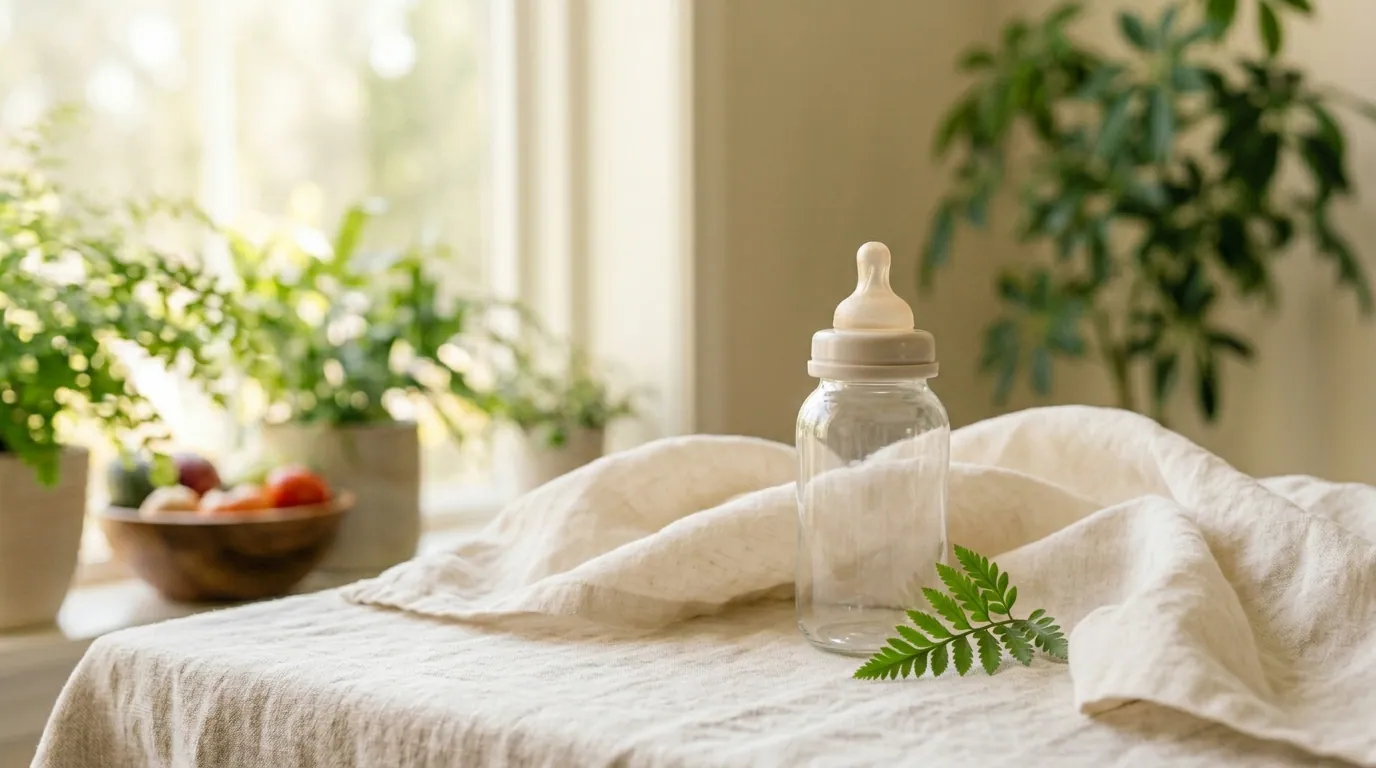
Key Takeaways
- Filter water + glass/stainless bottle, biggest single change for adults.
- Glass food storage + no microwaving plastic, biggest kitchen change.
- Glass or silicone bottles for kids, biggest infant/toddler change.
- HEPA air filter in bedrooms, biggest indoor air change.
- Plastic-free toothpaste + body lotion, biggest personal-care change for whole family.
Introduction: Why Families Need to Pay Attention
Microplastics have become one of the most pervasive environmental contaminants of our time. These tiny plastic particles, measuring less than 5 millimeters in diameter, are found in our food, water, air, and even inside our bodies. While microplastic exposure is a concern for everyone, it is especially alarming for children. Research published in the journal Environmental Science & Technology has shown that infants and toddlers may have up to ten times higher concentrations of certain microplastics in their stool compared to adults.
Children are more vulnerable for several reasons. Their developing organs and immune systems are less equipped to handle foreign particles and the chemical additives that leach from plastics. Pound for pound, children eat more food, drink more water, and breathe more air relative to their body weight than adults do, which means they take in a proportionally higher dose of any contaminant present. Their hand-to-mouth behavior and tendency to chew on objects further increase exposure. During pregnancy, microplastics can even cross the placental barrier, potentially affecting fetal development before a child is born.
The good news is that there are practical, evidence-based steps you can take to significantly reduce your family's exposure. This guide covers every room in your home and every stage of childhood, from pregnancy through the school years, with actionable tips you can start using today. For a deeper look at the health effects of microplastics, be sure to read our dedicated article.
Baby & Infant Protection
The earliest months and years of life represent the period of greatest vulnerability. Babies interact with the world primarily through feeding and putting things in their mouths, which makes the materials surrounding their food critically important. Here is a comprehensive approach to protecting your youngest family members.
Feeding Bottles and Nipples
A 2020 study in the journal Nature Food found that polypropylene baby bottles can release up to 16 million microplastic particles per liter when used to prepare formula at recommended temperatures. This was a wake-up call for parents everywhere. To minimize this risk:
- Switch to glass baby bottles. Brands like Philips Avent, Dr. Brown's, and Lifefactory make durable glass bottles with silicone sleeves that protect against breakage. Glass releases zero microplastics regardless of temperature.
- Choose silicone nipples over latex. Medical-grade silicone is more chemically stable than latex and does not shed particles under normal use. Look for platinum-cured silicone specifically, as it undergoes a cleaner manufacturing process.
- Prepare formula in glass or stainless steel containers. Heat your water in a glass kettle or stainless steel pot. Mix formula in a glass measuring cup or directly in the glass bottle. Transfer to the glass bottle and allow it to cool before feeding. Never shake hot liquid in any plastic container.
- Understand that "BPA-free" is not enough. When manufacturers removed BPA (bisphenol A) from plastics, many replaced it with BPS or BPF, which emerging research suggests may have similar endocrine-disrupting properties. The issue with microplastics is the plastic itself breaking into particles, not just the chemical additives. A BPA-free plastic bottle still sheds microplastic particles, especially when heated.
- Never microwave formula or breast milk in plastic. High temperatures dramatically increase microplastic release. Even containers labeled "microwave-safe" are only tested for structural integrity, not for particle shedding. Use a bowl of warm water to gently heat bottles instead.
Baby Food and Solid Introduction
When your baby begins eating solids, new microplastic exposure pathways emerge through the containers, utensils, and packaging used in food preparation:
- Make baby food at home when possible. Using fresh, whole ingredients and preparing food in glass or stainless steel cookware eliminates the packaging layer of microplastic exposure entirely.
- Use stainless steel or glass storage containers. Store homemade baby food in small glass jars with metal lids. Mason jars work perfectly and are inexpensive.
- Choose wooden or stainless steel utensils for babies. Silicone spoons are also a good option. Avoid brightly colored plastic utensils, which may contain additional chemical dyes.
- When buying commercial baby food, prefer glass jars over pouches. Squeezable plastic pouches are convenient but represent direct plastic-to-food contact over extended storage periods.
Children's Food Safety
As children grow, their world expands to include school lunches, snacks with friends, and increasing independence around food. Building microplastic-conscious habits early creates patterns that last a lifetime. For a broader overview of how microplastics enter our diets, see our guide on microplastics in food.
Packed Lunches and School Meals
- Invest in stainless steel or glass lunch containers. Brands like PlanetBox, LunchBots, and Bentgo stainless steel offer compartmentalized containers that kids enjoy using. They are durable enough to withstand years of daily use and are completely plastic-free in their food-contact surfaces.
- Replace juice boxes and plastic water bottles. Juice boxes are lined with polyethylene film, and single-use plastic bottles contribute significantly to microplastic intake. Send your child to school with a stainless steel water bottle filled with filtered tap water. If they want juice, pour it from a glass bottle at home into their steel bottle.
- Use beeswax wraps or parchment paper instead of plastic wrap. Beeswax wraps are washable, reusable, and keep sandwiches fresh without any plastic contact. Parchment paper is another simple alternative.
- Choose fresh foods over individually packaged snacks. An apple, a handful of nuts in a stainless steel container, or carrot sticks in a glass jar all provide nutrition without the packaging. When packaged snacks are necessary, look for options in paper, cardboard, or aluminum packaging rather than plastic bags.
Water and Beverages
- Install a quality water filter at home. A reverse osmosis system or a high-quality activated carbon filter can remove a significant portion of microplastics from tap water. NSF-certified filters are independently tested for contaminant removal.
- Avoid bottled water when possible. Studies have found that bottled water contains significantly more microplastic particles than tap water. A 2024 study published in the Proceedings of the National Academy of Sciences identified up to 240,000 nanoplastic particles per liter in popular bottled water brands.
- Use stainless steel or glass cups at home. Replace your children's plastic sippy cups and tumblers with stainless steel alternatives. Many brands now make kid-friendly stainless steel cups with spill-proof lids made of silicone rather than plastic.
Nursery & Bedroom: Creating a Low-Plastic Sleep Environment
Children spend ten to fourteen hours per day sleeping, making their bedroom one of the most important spaces to optimize. Synthetic materials in bedding, carpets, and furnishings continuously shed microfibers that children breathe in throughout the night.
Bedding and Mattresses
- Choose 100% organic cotton or linen bedding. These natural fibers do not shed synthetic microfibers. Organic certification ensures the cotton was grown without pesticides that could compound chemical exposure. Avoid polyester blends, microfiber sheets, and fleece blankets.
- Select a natural mattress. Conventional crib and children's mattresses often contain polyurethane foam, polyester batting, and vinyl covers, all of which can release microplastics. Look for mattresses made with natural latex, organic cotton, and organic wool. Brands like Naturepedic and Avocado specialize in non-toxic children's mattresses.
- Use a wool or organic cotton mattress pad. Instead of a plastic waterproof mattress cover, consider wool mattress pads, which are naturally water-resistant and breathable without shedding plastic particles.
Flooring and Furnishings
- Avoid synthetic wall-to-wall carpet in children's rooms. Nylon and polyester carpets shed microfibers continuously and trap microplastics in dust. Hardwood, tile, or natural linoleum are better choices. If you want the comfort of a rug, choose one made from wool, cotton, or jute.
- Choose solid wood furniture over pressed-board or plastic pieces. Solid wood cribs, dressers, and bookshelves do not off-gas or shed particles. Look for finishes that use natural oils or low-VOC water-based paints.
- Opt for wooden and natural-material toys. Plastic toys can shed microparticles, especially when children chew on them. Wooden blocks, cotton stuffed animals, and natural rubber teethers are safer alternatives that also tend to be more durable.
Air Quality
- Use a HEPA air purifier in your child's room. HEPA filters capture particles as small as 0.3 microns, which includes many microplastic fibers that become airborne. Run it continuously on a low setting, especially during sleep.
- Ventilate regularly. Open windows daily when outdoor air quality allows to circulate fresh air and reduce indoor particle concentrations.
Bath Time: Keeping It Clean and Plastic-Free
Bath time is a daily ritual for most families, but it can also be a surprising source of microplastic exposure. From the products you use to the toys floating in the tub, there are several areas worth addressing.
- Check children's products for microbeads. Although microbeads have been banned in rinse-off products in many countries, they can still be found in some imported products and in certain leave-on formulations. Check ingredient lists for polyethylene (PE), polypropylene (PP), polymethyl methacrylate (PMMA), or nylon. Our guide on how to avoid microplastics covers ingredient labels in more detail.
- Choose natural shampoos and body washes. Look for products with short, recognizable ingredient lists. Castile soap, for example, is made from plant oils and works wonderfully as both shampoo and body wash for children. Brands that carry organic or EWG Verified certifications tend to avoid synthetic polymers.
- Replace plastic bath toys with safer alternatives. Traditional rubber ducks and plastic bath toys often harbor mold internally and shed particles as they degrade in warm water. Look for solid natural rubber bath toys (brands like Hevea make them from natural tree sap) or consider stainless steel cups, wooden boats sealed with beeswax, or silicone bath toys that are molded in one piece with no holes for water to enter.
- Consider a shower filter. Activated carbon or KDF shower filters can reduce certain contaminants in your water supply, although their effectiveness against nanoplastics specifically is still being studied.
- Use natural fiber washcloths and towels. Synthetic sponges and polyester washcloths shed microfibers in warm water. Opt for organic cotton, linen, or natural sea sponge alternatives.
Clothing: What Your Kids Wear Matters
Clothing is one of the largest and most overlooked sources of microplastic pollution. Synthetic fabrics, including polyester, nylon, acrylic, and spandex, shed thousands of microfibers every time they are worn and washed. These fibers are small enough to be inhaled or absorbed through skin contact, and they flow into waterways with every laundry cycle.
- Prioritize natural fiber clothing. Dress your children in 100% cotton, linen, wool, hemp, or bamboo fabrics whenever possible. These materials do shed fibers, but natural fibers biodegrade and do not carry the same chemical payload as synthetic microfibers. Organic cotton is the best choice as it avoids pesticide residues.
- Be especially careful with base layers and sleepwear. The clothing worn closest to the skin has the most direct contact for fiber transfer. Pajamas, underwear, and undershirts should be the first items you switch to natural fibers.
- When synthetic clothing is necessary, wash it wisely. Some outerwear and activewear requires synthetic materials for performance. In these cases, use a Guppyfriend washing bag or a Cora Ball, both of which are designed to capture microfibers during the wash cycle before they reach the drain.
- Wash synthetic garments less frequently and on cold, gentle cycles. Higher temperatures, longer cycles, and more agitation all increase microfiber shedding. Air-dry when possible, as the tumbling action in dryers also releases fibers.
- Avoid fleece when possible. Fleece jackets and blankets are among the worst microfiber shedders, releasing hundreds of thousands of fibers per wash. Wool sweaters, down jackets, and cotton sweatshirts are warmer and shed far fewer synthetic particles.
At Home: Reducing Microplastics in Your Living Space
Research from multiple universities has found that household dust is a major carrier of microplastics. Studies estimate that we inhale or ingest thousands of microplastic particles daily just from the dust in our homes. A comprehensive home strategy can dramatically reduce this ambient exposure for your entire family.
Cleaning and Air Quality
- Vacuum frequently with a HEPA-filtered vacuum. Standard vacuums can recirculate fine particles back into the air. A HEPA-filtered vacuum captures microplastic fibers from carpet, furniture, and hard floors. Aim for at least twice a week in high-traffic areas and children's play spaces.
- Wet-mop hard floors rather than sweeping. Sweeping can send microplastic dust airborne. A damp mop captures particles and removes them from your home entirely.
- Install HEPA filters in your HVAC system or use portable HEPA air purifiers. Position purifiers in rooms where your family spends the most time, particularly bedrooms and play areas. This is one of the most effective interventions for reducing airborne microplastic exposure.
- Dust surfaces with damp cloths rather than dry dusters. Feather dusters and dry cloths simply redistribute particles. A damp microfiber cloth (ironically, microfiber is effective for cleaning despite being synthetic) captures and holds dust particles. Wash the cloth in a Guppyfriend bag after use.
Kitchen Practices
- Replace non-stick cookware. Many non-stick pans are coated with PTFE (polytetrafluoroethylene), a type of plastic that can degrade into micro and nanoparticles through regular use, especially when scratched or overheated. Switch to cast iron, stainless steel, or ceramic-coated cookware. These materials are more durable and completely free of plastic coatings.
- Be aware of PFAS in cookware and packaging. Per- and polyfluoroalkyl substances (PFAS), often called "forever chemicals," are commonly found in non-stick pans, food wrappers, and microwave popcorn bags. While technically not microplastics, they share similar persistence and health concern profiles. Avoiding PFAS is an important part of a comprehensive family protection strategy.
- Store food in glass, stainless steel, or ceramic containers. Replace your plastic tupperware, especially any pieces that are scratched, cloudy, or warped, as these are actively shedding particles. Never store hot food in plastic containers, as heat accelerates microplastic release.
- Avoid using plastic cutting boards. Wooden or bamboo cutting boards do not release microplastic particles into your food. A 2023 study found that a single plastic cutting board can release tens of millions of microplastic particles per year through normal use.
- Skip the plastic tea bags. Many modern tea bags are made from nylon or polyethylene terephthalate (PET) mesh. A single plastic tea bag can release billions of nanoplastic particles when steeped in hot water. Use loose-leaf tea with a stainless steel infuser instead.
During Pregnancy: Extra Precautions for Expectant Parents
Research has confirmed what many parents feared: microplastics have been found in human placentas. A groundbreaking 2020 study in Environment International detected microplastic particles in four out of six human placentas examined. Since then, multiple studies have confirmed the presence of microplastics in placental tissue, amniotic fluid, and even breast milk. This means that reducing exposure during pregnancy is not just about the mother; it is about protecting the developing fetus during its most vulnerable stage.
- Prioritize filtered water. Drinking adequate water is essential during pregnancy, but the source matters. Use a reverse osmosis or high-quality carbon filtration system and drink from glass or stainless steel bottles exclusively.
- Eat fresh, minimally packaged foods. Focus on whole fruits and vegetables, preferably organic and purchased loose rather than in plastic packaging. Choose proteins from low-contamination sources and minimize highly processed, heavily packaged convenience foods.
- Reduce seafood from high-contamination sources. While seafood is an important source of omega-3 fatty acids during pregnancy, certain fish and shellfish accumulate more microplastics due to filter-feeding or living in polluted waters. Wild-caught smaller fish tend to have lower microplastic burdens than large predatory fish or farmed shellfish.
- Avoid heating food in any plastic container. This matters for everyone and especially during pregnancy. Microwave in glass or ceramic only. Transfer takeout food from plastic containers to plates before reheating.
- Switch personal care products to clean formulations. Many cosmetics and skincare products contain synthetic polymers that can be absorbed through the skin. During pregnancy, opt for simple, natural products with minimal ingredients. The MicroPlastics app can help you scan and evaluate products quickly.
- Improve indoor air quality. Run a HEPA air purifier in your bedroom and main living areas. Pregnant individuals spend more time resting, so ensuring clean air in sleeping spaces is particularly important.
- Wear natural fiber clothing, especially undergarments. Since synthetic fibers shed particles that can be absorbed through the skin, natural cotton or bamboo undergarments and sleepwear reduce dermal exposure during pregnancy.
Teaching Kids About Microplastics: Making It Empowering, Not Scary
One of the most valuable things you can do as a parent is help your children understand microplastics in a way that empowers them to make good choices rather than making them anxious. The goal is to build awareness and agency, not fear.
Age-Appropriate Conversations
- For ages 3 to 5: Keep it simple and action-oriented. "We use our special metal water bottle because it keeps our water extra clean!" or "Let's use the glass bowl because that is what our family does." Focus on positive framing about the choices your family makes rather than explaining contamination.
- For ages 6 to 9: Introduce the concept gently. "Tiny pieces of plastic can break off into food and water. That is why we use glass and metal containers instead. Our family is a team that helps keep plastic out of our food!" Kids this age love being helpers, so give them roles like choosing glass containers or picking out steel water bottles.
- For ages 10 and up: Pre-teens and teens can handle more scientific detail. Share age-appropriate articles, involve them in scanning products with the MicroPlastics app, and discuss the environmental dimension. Many kids this age become passionate advocates once they understand the issue.
Making It Fun and Interactive
- Turn product scanning into a game. Use the MicroPlastics app as a family activity at the grocery store. Let kids scan items and compare scores. Who can find the product with the lowest microplastic risk? This turns learning into a fun challenge rather than a lecture.
- Cook together with safe materials. Involve children in meal preparation using glass and stainless steel cookware. Explain your material choices in a matter-of-fact way as you cook. "We use this wooden cutting board because it lasts longer and keeps our food cleaner."
- Start a family garden. Growing your own herbs and vegetables teaches children about fresh food while eliminating packaging entirely. Even a windowsill herb garden gives kids a sense of ownership over healthy, plastic-free eating.
- Create a family challenge. Set a monthly goal, like reducing single-use plastic in your kitchen by fifty percent or switching all lunchboxes to stainless steel. Track progress together and celebrate milestones.
Using the MicroPlastics App as a Family Tool
The MicroPlastics app was designed with families in mind. It serves as a practical, everyday tool that makes it easy to integrate microplastic awareness into your family's routine without it becoming overwhelming or time-consuming.
- Scan before you buy. At the grocery store, use the app to quickly scan food products and household items. The instant safety score helps you make informed choices in real-time, no research required. Over time, you will build a mental library of trusted products.
- Track your family's exposure over time. The app's tracking features let you see how your choices are reducing your family's overall microplastic intake. This visibility is motivating and helps you identify areas where further improvement is possible.
- Evaluate children's products specifically. From baby bottles to lunch containers to bath products, the app can help you assess items designed specifically for children. This is especially useful when evaluating new products or brands you are unfamiliar with.
- Share insights with your parenting community. When you discover a great low-microplastic product, share it with other parents. The more families that make informed choices, the more pressure manufacturers face to reduce plastic in their products.
- Let older kids use the app independently. For pre-teens and teens, having the app on their phone gives them the tools to make smart choices on their own, whether they are at the store, at a friend's house, or at school. It builds lifelong habits of conscious consumption.
Conclusion: Progress Over Perfection
Protecting your family from microplastics is not about achieving a perfectly plastic-free existence overnight. That is neither realistic nor necessary. Instead, focus on making incremental changes that reduce your family's exposure over time. Start with the highest-impact swaps: glass baby bottles, filtered water, natural fiber bedding, and stainless steel food containers. Then gradually expand your efforts to other areas covered in this guide.
Every plastic container you replace with glass, every synthetic garment you swap for cotton, and every product you scan with the MicroPlastics app represents a step toward a healthier environment for your children. The science on microplastics is still evolving, but the precautionary principle, taking reasonable steps to reduce exposure while research continues, is the wisest approach for families.
Your children do not need to grow up in fear of plastic. They need parents who are informed, proactive, and willing to make thoughtful choices. By following the practical strategies in this guide and using tools like the MicroPlastics app, you are giving your family the best possible foundation for health in an increasingly plastic world.
Download the MicroPlastics app today and start protecting what matters most: your family's health.
What the MicroPlastics app checks
- Baby/kid product material, glass, stainless, silicone, polypropylene, PPSU.
- Packaging type, jar vs pouch vs multi-layer plastic.
- Brand and product line, clean certifications flagged.
- Use-context flags you log, sterilization heat, dishwasher cycles, age.
- Cited published research behind each 0–100 score.
Use the App
Scan baby gear and pregnancy products before buying
Bottles, sippy cups, baby food pouches, cosmetics. The app weighs material + brand + condition and suggests cleaner-packaged alternatives.
Scan baby gear in the appFrequently Asked Questions
What are the 5 most important changes a family can make to reduce microplastics?
How much will reducing microplastics cost my family?
Should I prioritize my children's exposure over my own?
How long does it take to see a difference?
Sources
- Garcia MA, Liu R, Nihart A, et al. (2024). Quantitation and identification of microplastics in human placental specimens. Toxicological Sciences.
- Li D, Shi Y, Yang L, et al. (2020). Microplastic release from polypropylene infant feeding bottles. Nature Food.
- Ragusa A, Notarstefano V, Svelato A, et al. (2022). Raman Microspectroscopy Detection and Characterisation of Microplastics in Human Breastmilk. Polymers.
- ACOG Committee Opinion 832 (2021). Reducing prenatal exposure to toxic environmental agents. American College of Obstetricians and Gynecologists.
- Leslie HA, van Velzen MJM, Brandsma SH, et al. (2022). Discovery and quantification of plastic particle pollution in human blood. Environment International.
Build your nursery + pregnancy product audit
Save baby-product assessments and get an alert when a saved product gets new research. The app remembers the product context; it does not measure pregnancy or infant exposure.
Download on the App Store- Free on iOS
- 3 free scans
- No sign-up
- Result in seconds
“Really cool to scan stuff around the kitchen and see what's actually in it. The swaps it suggests are realistic.” App Store review · 5.0★
Android · early access
Get the launch email the day Android opens.
One email. No spam. We send when the Android app is in the Play Store, and never again unless you opt in.
Related Research
Microplastics in Baby Products: A Parent’s Complete Guide
Bottles, pouches, toys and sleep surfaces ranked by exposure, plus why the pregnancy window outranks every registry decision.
Read moreMicroplastics in Baby Food Pouches: Up to 11,000 Particles Per Pouch
A 2025 Greenpeace study found 5,000-11,000 microplastic particles in a single Gerber or Happy Baby Organics pouch. Glass jar alternatives ranked.
Read moreSynthetic Underwear, Microplastics & Male Fertility: The Connection
Polyester and synthetic underwear release microfibres directly onto reproductive skin. A 1993 Egyptian study linked polyester underwear to reduced fertility.
Read moreMicroplastics in Plastic Toys for Children: A Parent’s Guide
Plastic toys shed microplastics when chewed, scratched, or aged. Black recycled plastic toys contain brominated flame retardants. lower-plastic-contact wood, silicone & natural rubber picks.
Read moreMicroplastics in Wet Wipes & Baby Wipes: 99% Are Plastic
99% of wet wipes are made of polyester and polypropylene: even ones marketed as "flushable" or "natural". A single wipe sheds thousands of microplastic fibres.
Read moreMicroplastics in Baby Skincare, Lotion & Sunscreen: Parent Guide
Baby lotion, sunscreen, diaper cream, and bath wash can contain polyethylene, PEG, carbomer, and acrylates copolymer. lowest-contact brands ranked.
Read more