Microplastics in Plastic Containers: Is Your Tupperware Leaching?
Last reviewed: by the MicroPlastics Research Desk. Submit a correction or see our editorial standards.
Quick Answer
Different container in your kitchen? Review its confirmed or estimated material and Product Contact Signal, then compare a lower-contact option.
Scan my product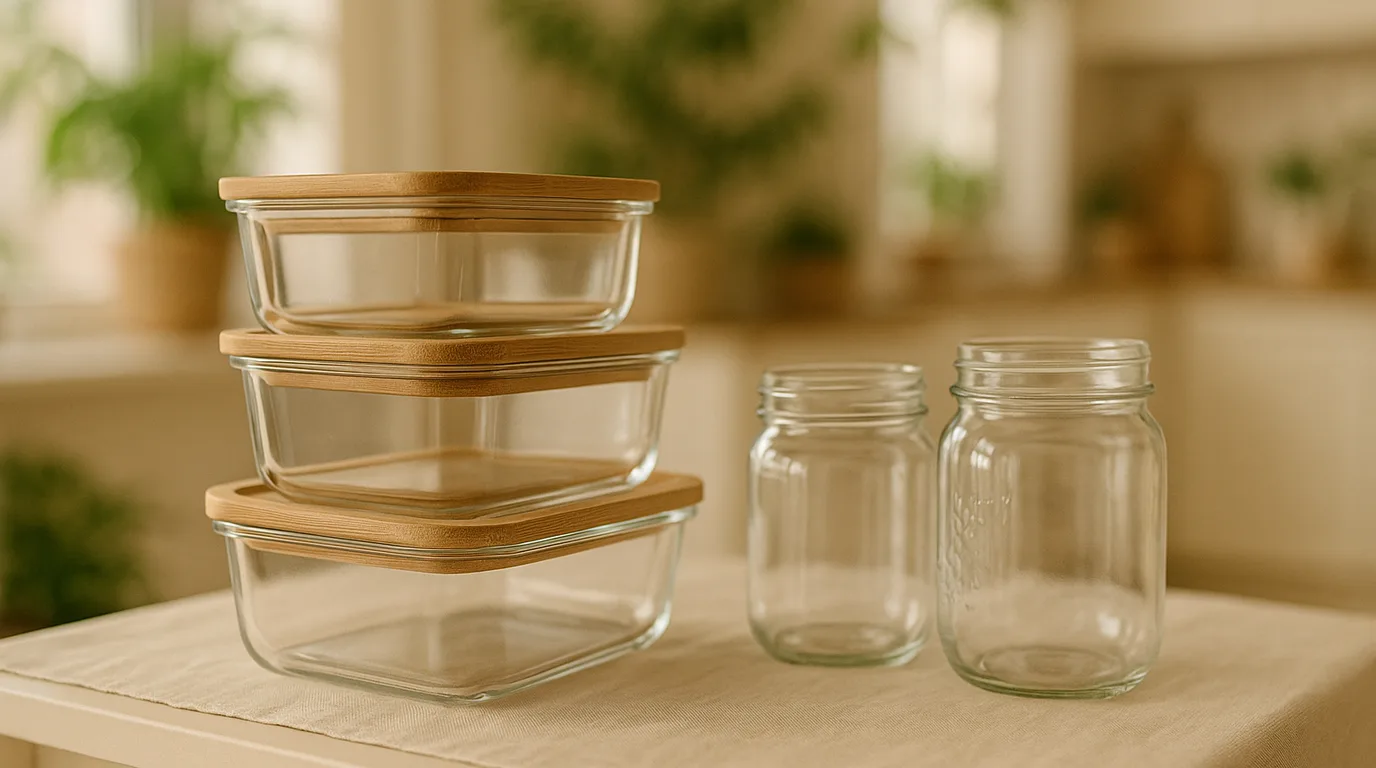
Key Takeaways
- Microwaving plastic: up to 4.22 million particles per cm² in 3 minutes (Hussain et al., 2023).
- Polycarbonate (#7) and PVC (#3) are the worst plastics for leaching; polypropylene (#5) and HDPE (#2) are the lowest-risk plastics.
- Heat, fat, acid, scratches, and dishwasher cycles all accelerate microplastic release.
- “BPA-free” containers typically use BPS or BPF, equally endocrine-active.
- Cleanest baseline: borosilicate glass (Pyrex/Anchor), 18/8 stainless steel, food-grade silicone.
- Whole-container figures: PP and PS shed 100,000-260,000 particles when microwaved from chilled or frozen, and 326,000-534,000 after five minutes of heating.
- Heat dominates, but repeated cap opening, long storage and freezing also release measurable quantities.
- EFSA is expected to issue a formal opinion on microplastics in food by end-2027, so no official reference dose exists yet.
Your Food Containers May Be Contaminating Your Meals
Plastic food containers are one of the most common household items in the world. From Tupperware to takeout containers, deli cups to meal prep sets, billions of people store and reheat food in plastic every single day. For decades, these containers have been marketed as convenient, durable, and safe. But a growing body of scientific research is challenging that assumption, revealing that plastic containers release significant quantities of microplastics and nanoplastics into the food they hold, particularly when heated.
A groundbreaking 2023 study published in Environmental Science & Technology found that a single plastic food container can release more than 4 million microplastic particles per square centimeter when microwaved. That is not a cumulative lifetime figure. That is from a single heating cycle. For families reheating leftovers in plastic containers multiple times per week, the cumulative exposure adds up rapidly.
The Microwave Numbers, and Why They Are So Large
If you change one habit from this article, make it microwaving. The measured difference between heating food in plastic and heating it in glass is not marginal.
Research in Environmental Science & Technology found that some containers released as many as 4.22 million microplastic and 2.11 billion nanoplastic particles from a single square centimetre of plastic surface within three minutes of microwave heating. Not per container -- per square centimetre.
Whole-container figures land in the same territory. Polypropylene and polystyrene containers released 100,000 to 260,000 particles when microwaved after refrigerated or frozen storage, and two polypropylene containers released an estimated 326,000 to 534,000 particles into a food simulant after five minutes of microwaving.
Heat is the dominant variable but not the only one. The same body of work found that repeated cap opening, long-term storage, and even freezing release measurable quantities. Mechanical stress at threads and seals matters, and so does simple time in contact.
A useful corroboration arrived from an unrelated angle: a 2025 analysis of 155 common beverages found microplastics in every single sample, with hot drinks carrying far more than cold ones. Different products, different labs, same conclusion -- temperature at the plastic interface is the lever.
Worth knowing for context: the European Food Safety Authority is expected to deliver a formal scientific opinion on the health risks of microplastics in food by end-2027. Until then there is no official reference dose, which is why no one can tell you what 500,000 particles actually means for your health.
How Plastic Containers Leach Microplastics into Food
All plastic degrades over time. Unlike glass or stainless steel, which are chemically inert, plastic polymers break down through a combination of mechanical stress, heat exposure, UV light, and chemical interaction with food. Each time a plastic container is washed, scratched, heated, or exposed to acidic or fatty foods, microscopic particles break free from the container surface and mix into the food.
Heat Is the Primary Driver
Temperature is the most important factor in microplastic leaching from containers. Research from the University of Nebraska-Lincoln found that heating plastic containers to microwave temperatures (above 100 degrees Celsius) increased microplastic release by 2 to 8 times compared to room temperature storage. The study tested both polypropylene (the most common food container plastic) and polyethylene containers, finding significant particle release from both materials.
But microwaving is not the only concern. Pouring hot soup or coffee into plastic containers, running them through the dishwasher, or even storing them in a hot car can elevate temperatures enough to accelerate particle release. A 2024 study found that dishwasher cycles caused visible surface degradation in plastic containers after just 20 cycles, with a corresponding increase in microplastic release during subsequent food storage.
Food Type Matters
The type of food stored in a plastic container also affects how many microplastics leach into it. Fatty and acidic foods extract more particles and chemical additives from plastic surfaces. Tomato sauce, citrus-based dishes, oily dressings, and dairy products are among the worst offenders. This is because fats and acids interact chemically with polymer chains, accelerating their breakdown. Storing cold, dry, or neutral-pH foods in plastic results in significantly less leaching, though it does not eliminate it entirely.
Container Age and Wear
Older, scratched, and worn containers release far more microplastics than new ones. Those cloudy, stained Tupperware containers that have been in your kitchen for years are likely shedding particles at a much higher rate than they did when new. Knife marks, scratches from utensils, and the general wear of repeated use all create new surface area from which particles can break free. If a plastic container is visibly worn, warped, or discolored, it is releasing more microplastics than a new container of the same type.
The BPA-Free Myth: Why the Label Does Not Mean Safe
After widespread public concern about bisphenol A (BPA), a chemical found in polycarbonate plastics and can linings, manufacturers rushed to replace BPA with alternatives and market their products as "BPA-Free." This label has become a powerful marketing tool, creating a false sense of security for consumers. The reality is far more complicated.
Most BPA replacements, including bisphenol S (BPS) and bisphenol F (BPF), have been shown to have similar or even identical endocrine-disrupting properties as the chemical they replaced. A 2020 study in Current Opinion in Toxicology found that BPS mimics estrogen in the body at comparable concentrations to BPA. In other words, BPA-free does not mean endocrine-disruptor-free.
More importantly, the BPA-free label says nothing about microplastic release. A container can be completely free of BPA while still shedding millions of microplastic particles into your food when heated. The physical breakdown of plastic into micro and nano particles is a separate issue from chemical leaching, and the BPA-free label addresses only the latter, and imperfectly at that.
Which Plastic Types Leach the Most?
Not all plastics are equally problematic. The recycling number stamped on the bottom of containers provides some guidance, though none are truly free from microplastic release.
Worst offenders: Plastics number 3 (PVC), 6 (polystyrene), and 7 (other/mixed, which often includes polycarbonate) are the most concerning. PVC contains phthalates, polystyrene breaks down easily and contains styrene (a possible carcinogen), and category 7 may contain BPA or other bisphenols. Styrofoam takeout containers are particularly problematic and should be avoided for hot food.
Moderate concern: Plastics number 1 (PET/PETE) and 2 (HDPE) are considered safer for single use but still leach microplastics, especially when reused, heated, or scratched. PET water bottles, for example, release significantly more particles after being refilled and reused multiple times.
Relatively better: Plastics number 4 (LDPE) and 5 (polypropylene) are generally considered the safest plastic options for food contact. Polypropylene is the most commonly used food container plastic and has relatively good heat resistance. However, even polypropylene containers release millions of particles when microwaved, as the Nebraska study demonstrated.
Safer Alternatives to Plastic Food Containers
Glass Containers
Glass is chemically inert and does not leach any substances into food regardless of temperature, acidity, or fat content. Tempered glass containers like those from Pyrex or similar brands are microwave-safe, oven-safe, dishwasher-safe, and will never release microplastics. They are heavier and can break if dropped, but they last essentially forever with normal use. For food storage and reheating, glass is the gold standard.
Stainless Steel Containers
Stainless steel is another excellent option for food storage. It is lightweight, durable, and completely free of plastic. Stainless steel containers are ideal for packing lunches, storing dry goods, and carrying snacks. The main limitation is that they cannot be used in microwaves. For reheating, transfer food to a glass container or a plate.
Silicone Storage Bags
Food-grade silicone is a reasonable alternative to plastic bags and wraps. While silicone is technically a synthetic polymer, it is far more stable than conventional plastics and does not leach the same chemicals or shed particles at comparable rates. High-quality silicone bags are reusable, dishwasher safe, and can handle moderate heat. They are a good option for replacing zip-lock bags and plastic wrap.
Ceramic and Enamelware
Ceramic bowls and enamel-coated steel containers are naturally plastic-free and safe for food storage and reheating. They are particularly good for storing acidic foods like tomato sauce that would interact aggressively with plastic surfaces.
Practical Steps to Reduce Container-Related Microplastic Exposure
Transitioning away from plastic containers does not have to happen overnight. Here are the highest-impact changes to make first.
Never microwave food in plastic. This is the most impactful change you can make. Transfer food to a glass or ceramic dish before reheating. This one step eliminates the largest spike in microplastic exposure from containers.
Replace worn containers immediately. If your plastic containers are scratched, cloudy, stained, or warped, they are shedding elevated levels of microplastics. Replace them with glass alternatives rather than new plastic.
Avoid storing hot food in plastic. Let leftovers cool before placing them in plastic containers. Better yet, store them in glass from the start.
Do not put plastic containers in the dishwasher. The high heat and harsh detergents of dishwasher cycles accelerate plastic degradation. Hand-wash plastic containers in lukewarm water if you must continue using them.
Avoid acidic and fatty foods in plastic. Store tomato-based sauces, citrus, dairy, and oily foods in glass or ceramic instead.
Use the MicroPlastics app to check packaged foods. While switching your own containers is important, much of your food arrives in plastic packaging from the store. The MicroPlastics app helps you scan product barcodes to understand which packaged foods have higher microplastic risk, guiding you toward cleaner choices at the point of purchase.
The Case for Moving Beyond Plastic in Your Kitchen
The convenience of plastic food containers is undeniable, but the research on microplastic leaching makes a compelling case for alternatives. Glass and stainless steel containers cost more upfront but last far longer, do not absorb stains or odors, and most importantly, do not release plastic particles into your food. The transition does not need to be all-or-nothing. Start by replacing the containers you use most frequently for hot food, and gradually phase out the rest. Your future self, and your body, will thank you.
What the MicroPlastics app checks
- Material, stainless, glass, ceramic, cast iron, plastic (PE / PP / PS / PVC), silicone, wood.
- Visible condition, scratches, chips, warping, fade.
- Brand and product line, flags for non-stick / PFAS-treated items.
- Use-context flags you log, heat exposure, dishwasher cycles, contact with hot or fatty food.
- Cited published research behind the 0–100 risk score.
Use the App
Scan kitchen and household products before buying
Cookware, food storage, cutting boards, accessories. The app weighs material, condition, brand, and use-context to give a 0–100 risk score per item.
Scan household items in the appFrequently Asked Questions
Is Tupperware safe for food storage?
How many microplastics does microwaving plastic release?
What plastic numbers are safest for food storage?
When should I replace plastic food containers?
Are silicone food storage containers safe?
Sources
- Hussain KA, Romanova S, Okur I, et al. (2023). Microplastic release from plastic containers under microwave heating. Environmental Science & Technology.
- Yadav H, Khan MRH, Quadir M, et al. (2023). Cutting Boards: An Overlooked Source of Microplastics in Human Food. Environmental Science & Technology.
- Stapleton HM, Klosterhaus S, Eagle S, et al. (2009). Detection of organophosphate flame retardants in furniture foam and house dust. Environmental Science & Technology.
- US EPA (2024). Per- and Polyfluoroalkyl Substances (PFAS): health effects and exposure. US EPA.
- De Falco F, Cocca M, Avella M, Lettieri E (2020). Microfiber release to water, via laundering, and to air, via everyday use. Environmental Science & Technology.
After install · scan this first
Open the camera and scan your most-used food container.
The lid is usually the worst-scoring part. Scan yours to know whether to swap the whole set or just the lids.
Android · early access
Get the launch email the day Android opens.
One email. No spam. We send when the Android app is in the Play Store, and never again unless you opt in.
Related Research
Microplastics in Your Home: Hidden Sources and How to Eliminate Them
Room by room, ranked by what the measurements actually support: never microwave in plastic, filter the air, hard floors and natural fibres, ventilate the car.
Read moreAirborne Microplastics: The Invisible Pollution You Breathe Every Day
New 1-10 µm measurements put lung-penetrating intake near 68,000 particles a day, with car cabins over four times worse than homes. What to do about it.
Read moreMicroplastics in Plastic Kettles: The 11.8 Million Particle Study
A 2024 study found a new plastic electric kettle releases up to 11.8 million nanoplastic particles per mL on the first boil. lower-plastic-contact stainless and glass kettle picks.
Read moreMicroplastics in Plastic Wrap (Cling Film): Is It Safe?
PVC and LDPE plastic wraps leach plasticisers and microplastics into food: especially hot, fatty, or acidic foods. Here is what to know and lower-plastic-contact alternatives.
Read moreMicroplastics in Pillows and Mattresses: What You Breathe All Night
You spend a third of your life on a mattress and pillow. Polyester, polyurethane foam, and flame retardants release microplastics and chemicals you inhale for 8+ hours nightly.
Read moreMicroplastics in Laundry & Dishwasher Pods: The PVA Problem
A 2021 Arizona State study found 77% of PVA plastic from laundry & dishwasher pods enters the environment intact. Liquid detergents are the lower-plastic-contact alternative.
Read more